Last month, I watched a colleague spend an entire Saturday building an AI-generated curriculum.
Every lesson plan was polished. Every rubric had clean formatting. Every slide deck looked professional.
Not one activity aligned with how students actually form memories.
This is the crisis nobody's talking about.
AI can generate educational content by the terabyte. But it doesn't understand how your students learn. It doesn't know that making things harder often makes learning stick. It doesn't know that retrieving information from memory builds stronger neural pathways than re-reading notes. It doesn't know that working memory can only hold about four chunks at once.
You need to know these things. And the people on this list have spent decades figuring them out.
Here's what makes this urgent.
A 2025 study found a significant negative correlation (r = -0.68) between AI use and critical thinking among students. Cognitive offloading — outsourcing your thinking to AI — correlated strongly with AI usage (r = +0.72) and inversely with critical thinking (r = -0.75). Meanwhile, 92% of students now use AI tools regularly.
Your students are using AI every day. Most are using it to skip the exact cognitive processes that build understanding.
This isn't a technology problem. It's a learning science problem.
And these 50 specialists are the people who've solved it.
Their work gives you the foundation to use AI tools that extend student thinking rather than replace it. To design lessons where technology amplifies learning instead of creating an illusion of it.
I've organized them into five categories based on what they can do for you. You don't need to follow all 50. Pick one person from each category. Read one book from this list this term. Follow five or six on social media for daily doses of evidence-based thinking.
That's enough to transform how you teach — and how you evaluate every AI tool that crosses your desk.
Don't try to absorb everything at once. This is a reference you come back to.
Here's what I'd suggest:
- Scan the categories. Find the one closest to your current challenge.
- Pick one person. Read their "Start here" resource.
- Follow 5-10 on social media. Their daily posts are free professional development.
- Return when you need to. Bookmark this. When someone pitches you a new AI tool, come back and check it against what these researchers say about how learning works.
The categories:
- Understanding how the brain learns — The cognitive scientists who decoded memory, attention, and retention
- Making research work in your classroom — The translators who turn studies into Monday-morning strategies
- Designing learning that sticks — The instructional designers who build effective experiences
- Seeing the bigger picture — The thinkers who address education's purpose and direction
- Navigating AI in education — The specialists building the bridge between AI and human learning
These cognitive scientists have spent careers studying how the brain processes, stores, and retrieves information. In an era where students can instantly access any fact, these researchers show why how you learn matters far more than what you can look up.
#1

Professor of Psychology, University of Virginia
Willingham made one idea impossible to forget: "Memory is the residue of thought." His book Why Don't Students Like School? reveals nine principles of how the brain processes information. His core argument hits harder than ever in the AI age: knowledge stored in your head enables deeper thinking. Students who outsource retrieval to ChatGPT miss the cognitive work that builds expertise.
Start here: Why Don't Students Like School? — the single best introduction to cognitive science for educators.
Find him: danielwillingham.com · Twitter/X
#2

Emeritus Professor, University of New South Wales
Sweller created Cognitive Load Theory — the framework that explains why working memory's limited capacity dictates how we should design instruction. With AI generating increasingly complex "enhanced" content, his work helps you spot when digital materials create unnecessary cognitive burden rather than reducing it. His research on the redundancy effect — when duplicate information actually impairs learning — explains why AI-generated "multimodal" content sometimes hurts more than it helps.
#3
Distinguished Professor of Psychology, UCLA
Bjork coined "desirable difficulties" — the counterintuitive discovery that strategies which feel harder in the moment produce dramatically better long-term retention. Spacing, interleaving, and retrieval practice all feel difficult. They're also what actually works. This explains why AI tools that make learning "easier" can paradoxically weaken your students' ability to learn deeply. Students who generate their own answers learn more than those who let AI do it for them.
#4

Professor of Psychology, UCLA
Working alongside Robert, Elizabeth Bjork has been instrumental in showing how retrieval practice — actively pulling information from memory — creates more durable learning than repeated studying. In the AI era, where information retrieval happens externally via search and chatbots, her work is a crucial reminder: internal retrieval builds expertise. External retrieval doesn't.
#5

Emeritus Professor, Open University of the Netherlands
Kirschner is education's myth-buster. His seminal paper with Sweller and Clark — "Why Minimal Guidance During Instruction Does Not Work" — has over 6,200 citations and systematically dismantled the popular but flawed idea that students learn best through pure discovery. In an AI era flooded with "student-centered" tech solutions, his work provides the scientific framework for understanding when structured instruction beats AI-assisted exploration — and when it doesn't.
Start here: How Learning Happens (co-authored with Carl Hendrick) — the book that translates seminal research into practical language.
Find him: LinkedIn · Twitter/X
#6

Professor of Psychology, Kent State University
Dunlosky's massive meta-analysis evaluated ten major study techniques and delivered uncomfortable news. Highlighting, re-reading, and summarizing — techniques students love — are among the least effective. Retrieval practice, spacing, and elaboration — techniques most students avoid — produce vastly better results. His work explains why asking AI to "make me a study guide" is often less effective than the messy, effortful process of creating one yourself.
#7

Barak Rosenshine
Former Professor of Educational Psychology, University of Illinois
Rosenshine's 10 Principles of Instruction were derived from careful study of what master teachers actually do in classrooms. Not theory. Observation. These principles — daily review, small steps, guided practice, checking for understanding — provide an evidence-based checklist for evaluating whether any AI tool is supporting or undermining effective pedagogy.
#8

Journalist & Cognitive Psychologists
Their book Make It Stick brought cognitive science research to millions of educators and students worldwide. It explains why massed practice — what most students do when they cram — feels effective but produces poor long-term retention. In an AI age where tools can instantly generate summaries and quiz questions, their work shows why learners must engage in effortful retrieval to build lasting understanding.
#9

Nobel Laureate in Physics, Stanford University
A Nobel Prize winner turned education researcher. Wieman's unique credentials give his findings unusual weight. He's shown how experts think differently from novices, and how instruction should bridge that gap through structured expertise development. In an era where students have instant access to all "knowledge," his work explains why genuine expertise still requires systematic practice and feedback that no chatbot can shortcut.
Start here: Improving How Universities Teach Science — applicable well beyond university settings.
Find him: Stanford Faculty Profile
#10
Cognitive Neuroscientist, Collège de France
Dehaene combines cutting-edge neuroscience with practical educational applications. His four pillars of learning — attention, active engagement, error feedback, and consolidation — explain why the human brain remains far superior to any machine learning system for genuine understanding. His work shows exactly where AI can help (providing feedback, spacing review) and where it can't (replacing the neural processes of attention and consolidation).
Start here: How We Learn: The New Science of Education and the Brain — neuroscience made accessible.
Find him: Collège de France Profile
#11

Cognitive Psychologist, Providence College
Co-founder of The Learning Scientists, Sumeracki represents the new generation of researchers bringing cognitive science directly into classrooms. Her project creates free, evidence-based resources that teachers can apply immediately — a crucial antidote to AI-generated content that lacks cognitive science grounding. Particularly strong on dual coding and spacing effects.
#12

Cognitive Psychologist, University of Wisconsin-Madison
Co-founder of The Learning Scientists alongside Sumeracki, Weinstein focuses on making the six strategies for effective learning accessible and applicable. Her work provides practical alternatives to AI-generated study tools that skip the essential cognitive processes that build understanding. If your students are using AI flashcard generators, Weinstein's research shows them why the making of flashcards matters more than the reviewing.
These educators excel at converting complex research into strategies you can use on Monday morning. They bridge the gap between academic journals and real classrooms — where AI tools must enhance student thinking, not complicate it.
#13
Emeritus Professor of Educational Assessment, UCL Institute of Education
The global authority on formative assessment. Wiliam's research shows why the most powerful feedback addresses the gap between current performance and desired goals — and why feedback from a teacher who knows a student remains more influential than AI-generated comments. His five key strategies of formative assessment provide the framework for evaluating every AI feedback tool on the market.
Start here: Embedded Formative Assessment — updated with evidence from thousands of studies.
Find him: dylanwiliam.org · Twitter/X
#14

Former Teacher & Founder, Teach Like a Champion
Lemov has systematically documented the specific, observable techniques that excellent teachers use. Not theory. Not opinion. Techniques you can practice and master. His work is essential in the AI era because it shows which instructional moves should remain human-centered and which can be enhanced by technology. Cold Call, Turn and Talk, Check for Understanding — these are AI-proof teacher skills.
#15

Former Headteacher & Education Consultant
Sherrington has done more than perhaps anyone to make Rosenshine's research accessible to practicing teachers. His blog Teacherhead and his bestselling book Rosenshine's Principles in Action provide practical templates for implementing evidence-based instruction. If you want to understand what great teaching looks like before you layer AI on top, start here.
Start here: Rosenshine's Principles in Action — short, practical, immediately useful.
Find him: teacherhead.com · Twitter/X
#16

Cognitive Scientist, Founder of RetrievalPractice.org
Agarwal has single-handedly made retrieval practice a household term among educators. Her research translates into classroom strategies you can use today — brain dumps, retrieval cards, low-stakes quizzes — all based on the principle that pulling information from memory strengthens it. She demonstrates why AI quiz generators must encourage active retrieval, not passive review.
Start here: Powerful Teaching: Unleash the Science of Learning (co-authored with Patrice Bain) — includes specific strategies for every classroom.
Find her: retrievalpractice.org · Twitter/X
#17

Veteran K-12 Teacher & Author
Bain gives credibility to cognitive science research by showing how it actually works with real middle school students. As co-author of Powerful Teaching, she provides the teacher voice that educators trust — exactly what's needed when AI tool vendors make inflated claims about learning outcomes. She's proof that research-based strategies work in messy, real classrooms.
#18

Assessment Expert & Author
Christodoulou's Seven Myths About Education challenged dominant progressive orthodoxy and made a compelling case for knowledge-rich curricula. In the AI era, her argument is more relevant than ever: knowledge remains crucial even when information is instantly accessible, because knowledge enables thinking. Her recent work on comparative judgment and assessment provides frameworks for evaluating authentic learning when AI can generate "correct" answers on demand.
#19

Education Writer & Former Teacher
Didau's Learning Spy blog has influenced thousands of educators by questioning conventional wisdom and demanding evidence. He provides the critical thinking model needed for the AI era — the habit of asking "What's the evidence for that?" before adopting any tool, technique, or trend. His writing is sharp, funny, and relentlessly evidence-focused.
#20

Education Researcher & Author
Hendrick excels at translating dense research papers into actionable classroom strategies. His work with Paul Kirschner bridges the gap between educational psychology and daily teaching practice. Follow him when you need someone to explain what a new study actually means for your classroom — and whether the AI tool claiming to be "research-based" actually is.
Start here: How Learning Happens (co-authored with Paul Kirschner) — 28 seminal research papers explained clearly.
Find him: Twitter/X · LinkedIn
#21

Teacher & Education Author
Jones has become the go-to expert on retrieval practice in secondary education. Her practical guides help educators implement research-based strategies without getting lost in theory — exactly what's needed when evaluating AI study tools that claim to "optimize learning." Her books are full of specific activities you can use across subjects and age groups.
#22

AP Psychology Teacher & Blogger
Harvard writes The Effortful Educator blog, documenting his classroom experiments applying cognitive science research in real time. What makes him valuable: he's a working teacher testing these ideas with real students and reporting honestly about what happens. His blog provides a model for how to evaluate AI tools systematically rather than falling for marketing.
#23

Teacher & Writer, Australia
Ashman provides compelling arguments and research evidence for explicit instruction. His blog Filling the Pail challenges educational fads with cognitive science, providing a critical model for the AI era. When someone tells you that AI "personalizes" learning through discovery, Ashman's work gives you the research to push back.
#24

Educational Researcher, Thomas More University
Surma's research addresses a crucial AI-era challenge: how to design curricula that promote deep thinking rather than surface-level processing. His book Developing Curriculum for Deep Thinking provides evidence-based approaches to building courses that can't easily be "passed" by asking ChatGPT. If your school is redesigning curriculum with AI in mind, Surma's work is essential reading.
#25

Professor of English, Assumption University
Lang advocates for "small teaching" — minor modifications requiring minimal preparation that create major learning improvements. His message is perfect for the AI age: you don't need massive ed-tech interventions for significant learning gains. Sometimes a two-minute retrieval activity at the start of class does more than a $50,000 adaptive learning platform.
Start here: Small Teaching: Everyday Lessons from the Science of Learning — practical, manageable, effective.
Find him: jamesmlang.com · Substack
These experts understand how to create learning experiences that align with how the brain actually processes information. Their work is your filter for evaluating AI tools that claim to "optimize learning."
#26

Instructional Design Consultant
Dirksen's Design for How People Learn is the instructional designer's bible. She specializes in creating learning experiences that acknowledge the brain's real limitations and capacities — perfect guidance when AI tools can easily overwhelm working memory with excessive information or poorly structured content. She's also increasingly addressing how AI will reshape course design and assessment.
#27

Instructional Psychologist
Clark's research provides the cognitive science framework for evaluating whether multimedia AI tools actually support learning or merely create impressive presentations. Her work with Richard Mayer on evidence-based e-learning has defined the field. If your school is investing in AI-powered multimedia tools, Clark's research tells you which design principles actually work.
Start here: E-Learning and the Science of Instruction (co-authored with Richard Mayer) — the research-based guide for digital learning.
Find her: ruthclark.com
#28

Learning Researcher & Author
Shank focuses on how to create effective text and visuals for learning — crucial skills when AI tools can generate unlimited content that may or may not support cognitive processing. Her evidence-based approach helps you evaluate whether AI-generated materials are actually effective for learning, not just efficient to produce.
Start here: Write and Organize for Deeper Learning — especially relevant for evaluating AI-generated content.
Find her: learningpeaks.com · LinkedIn
#29
Training Design Consultant
Moore created Action Mapping — a methodology for designing training that changes behavior, not just transmits information. Her framework is the perfect test for any AI educational tool: does it drive learning outcomes, or does it just deliver content faster? If the AI tool doesn't connect to a measurable behavior change, Moore's work says you probably don't need it.
These specialists address the broader questions: What is education for? What should students actually learn? How do we measure what matters? Their perspectives help you evaluate not just whether AI tools work, but whether they serve meaningful educational aims.
#30
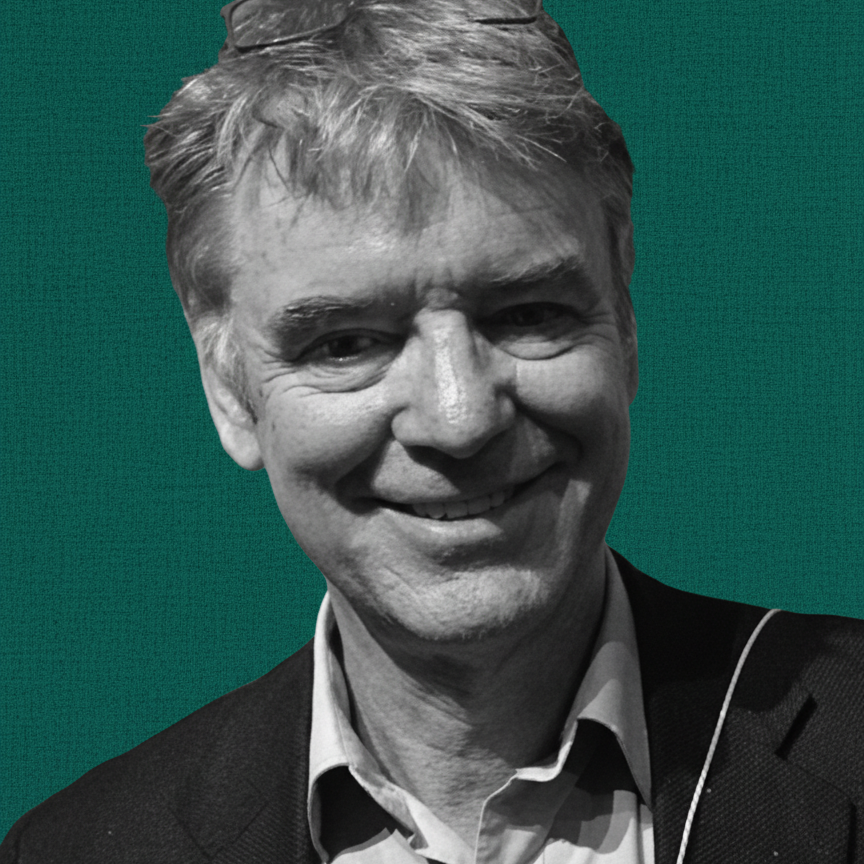
Laureate Professor Emeritus, University of Melbourne
Hattie's Visible Learning project is the largest-ever synthesis of education research — over 2,100 meta-analyses covering 300 million students. His effect size rankings provide a scientific framework for evaluating which factors actually matter most for learning. Feedback, teacher clarity, and student expectations have major impacts (effect sizes above 0.40). His work gives you a data-driven way to evaluate whether an AI tool addresses high-impact factors or wastes time on low-impact ones.
#31
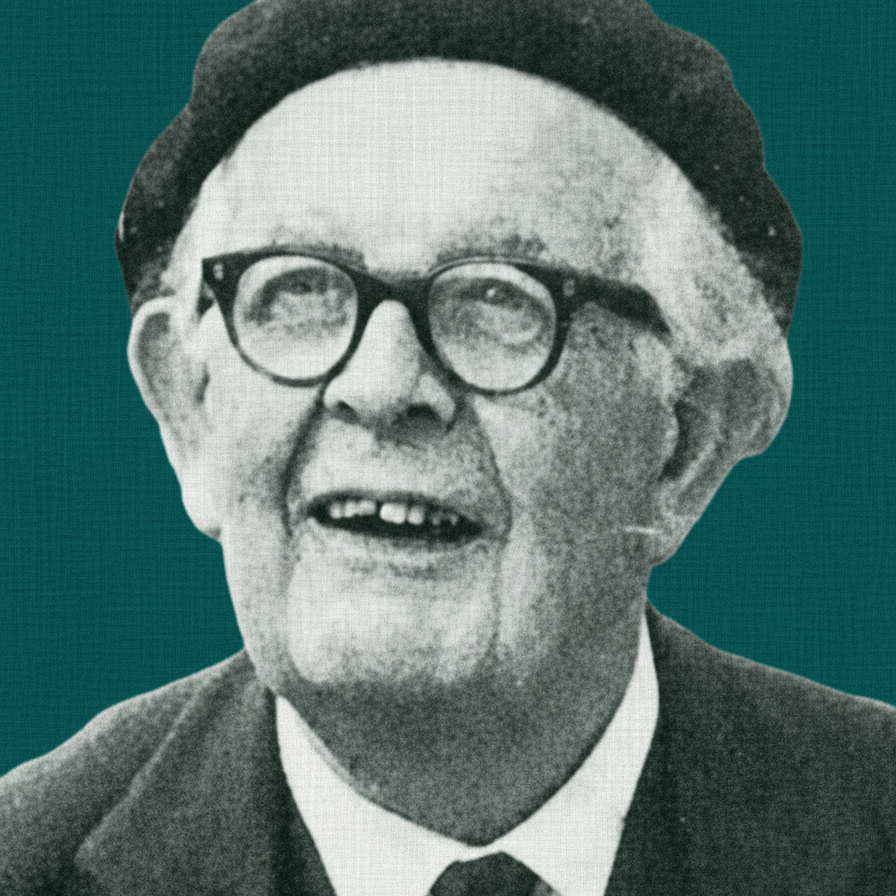
Jean Piaget
Developmental Psychologist
Piaget demonstrated that learners actively construct knowledge through interaction with their environment — they don't passively absorb it through any delivery system, digital or otherwise. His theory of cognitive development stages shows why age-appropriate AI design must account for developmental readiness, not just subject matter. Foundational reading for anyone designing or evaluating AI tools for younger learners.
#32

Seymour Papert
Mathematician & Education Pioneer, MIT
Papert created Logo programming and pioneered educational computing decades before the AI boom. His book Mindstorms argued that technology should be used for creation and deep thinking, not passive consumption. His concept of "hard fun" — learning that is challenging but engaging — remains the gold standard for evaluating whether AI tools empower students to build and think, or merely consume and click.
Start here: Mindstorms: Children, Computers, and Powerful Ideas — visionary and still relevant.
#33
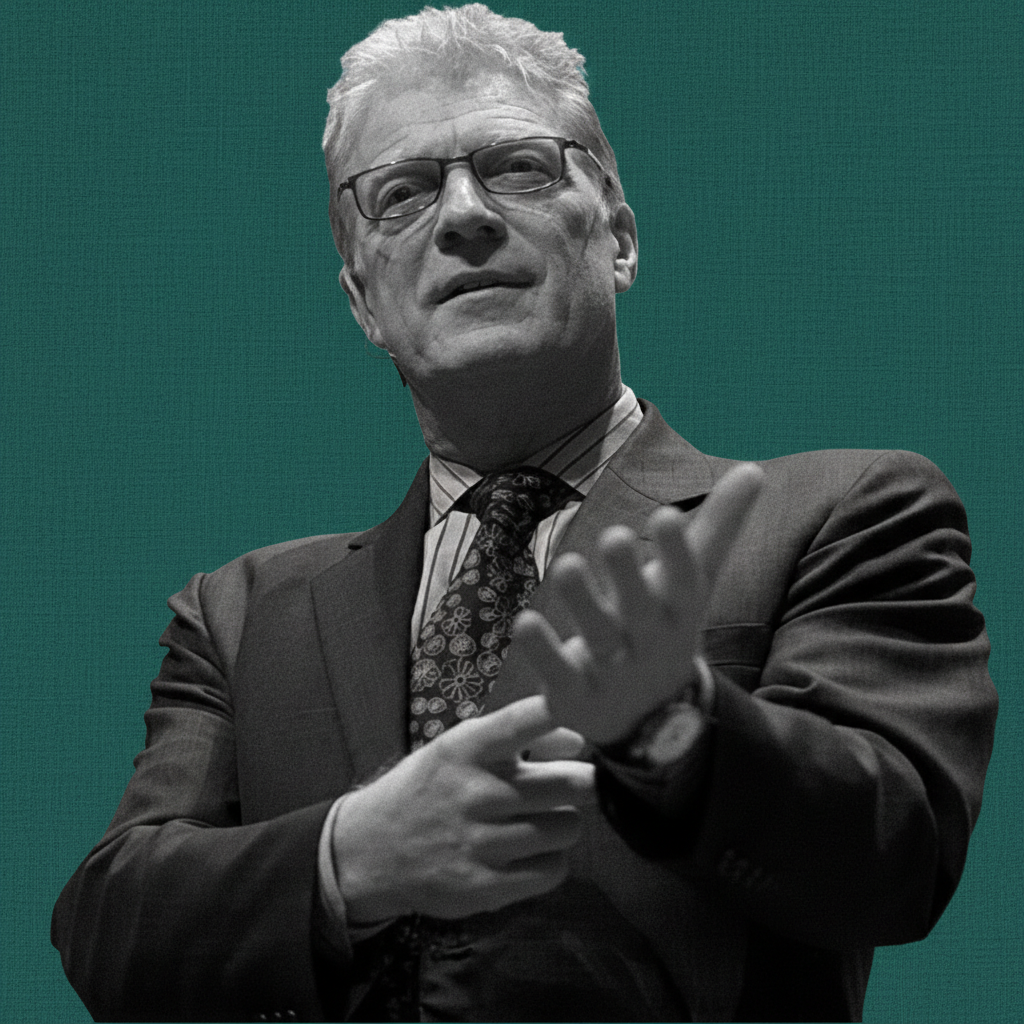
Sir Ken Robinson
Author & Speaker
Robinson's 2006 TED Talk — "Do Schools Kill Creativity?" — remains the most-watched TED talk of all time with over 66 million views. His core argument has sharpened in the AI age: if machines can automate routine academic work, then human creativity, innovation, and divergent thinking are the capabilities we must cultivate. These are precisely the skills AI cannot replace.
#34

Professor of Educational Technology, Newcastle University
Mitra's "Hole in the Wall" experiments showed Indian street children teaching themselves computer literacy without formal instruction. His SOLE (Self-Organized Learning Environment) approach raises provocative questions about student capability and self-directed learning. His work provides a useful counterweight: sometimes the best use of AI is to step back and let students explore, struggle, and figure things out together.
#35

Chief Knowledge Officer, Learning Policy Institute
Darling-Hammond's extensive research on teacher preparation provides the framework for understanding how teacher education must evolve in the AI era. How do you prepare educators who can use AI tools effectively while maintaining the relationships and pedagogical expertise that drive learning? Her work on "deeper learning" shows why AI tools must support higher-order thinking, not just deliver information faster.
#36

Professor Emerita, University of Virginia
The leading expert on differentiated instruction. Tomlinson's research-based guidance helps you understand when differentiation enhances learning and when it becomes so complex that it collapses. This is exactly the question you face with AI "personalization" tools: is the AI genuinely differentiating instruction, or is it just creating 30 different worksheets?
#37
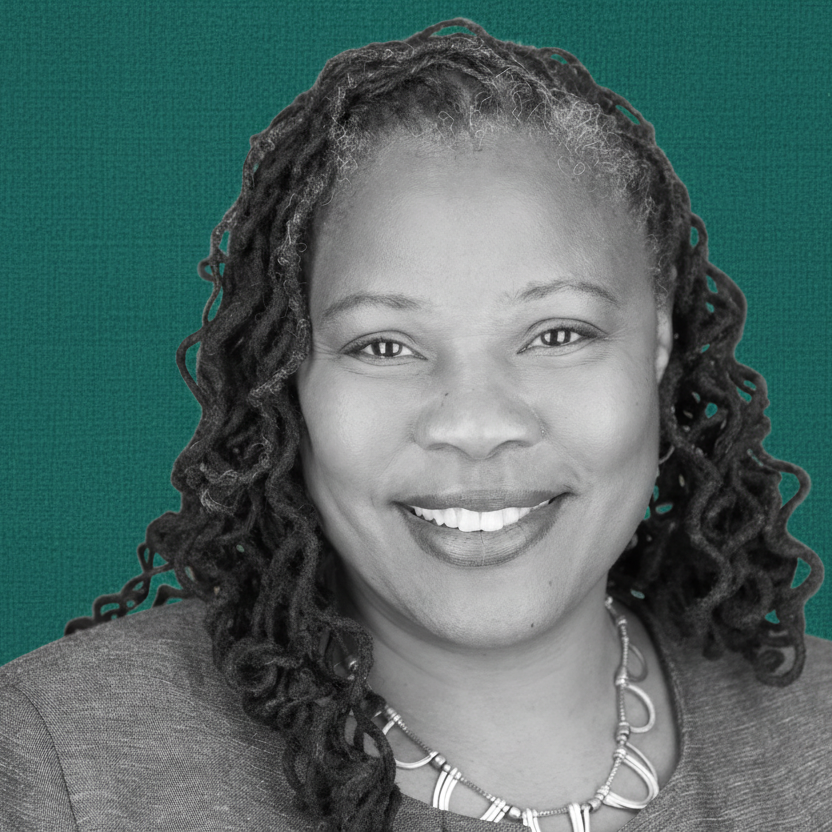
Educator & Author
Hammond bridges neuroscience and culturally responsive teaching. Her book Culturally Responsive Teaching and the Brain explains how to support diverse learners by understanding how culture shapes cognition. This matters for AI because most AI tools are trained on narrow cultural data sets. Hammond's work helps you evaluate whether AI tools support or disadvantage your diverse learners.
#38

Rosa Lee and Egbert Chang Professor, University of Pennsylvania
Duckworth's research on grit — sustained effort and passion over time — provides a framework for understanding why AI tools that make learning "easier" may undermine long-term success. Her work shows that perseverance through difficulty predicts achievement better than raw talent. If your AI tool removes all struggle from learning, Duckworth's research suggests you're removing the very thing that builds capable humans.
#39
Lewis and Virginia Eaton Professor of Psychology, Stanford University
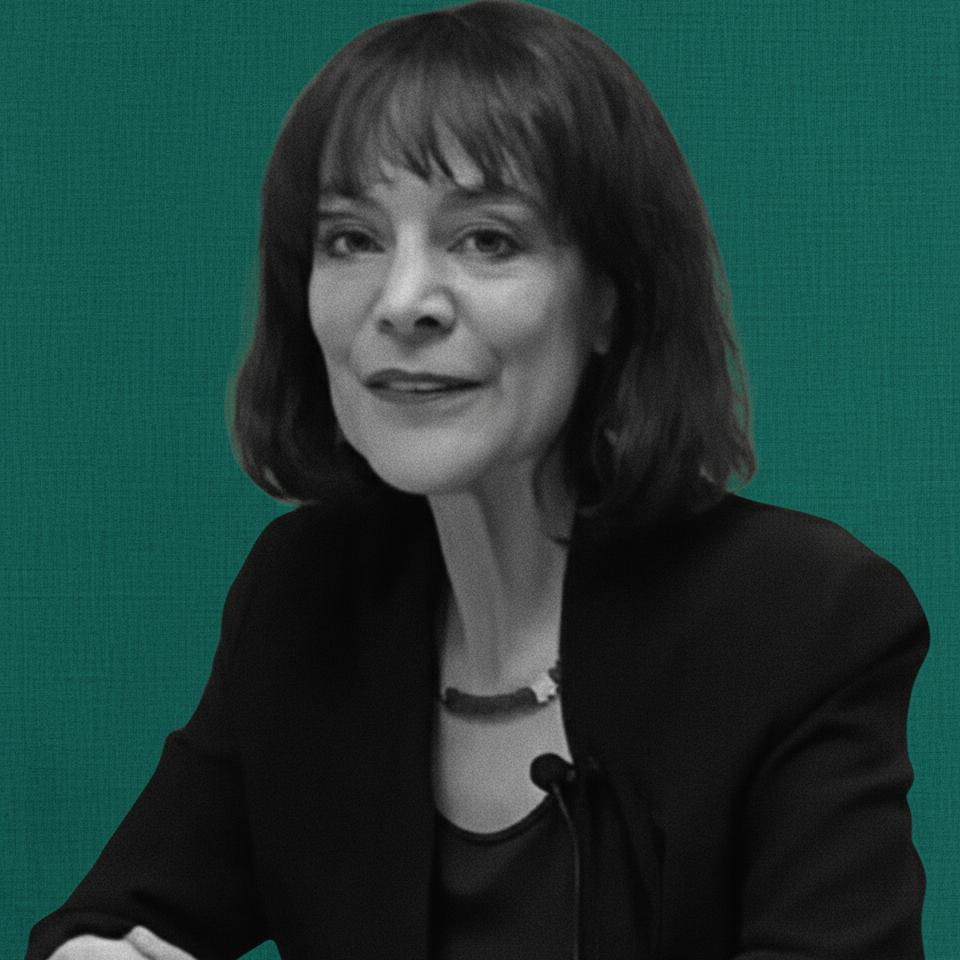
Dweck's research on growth mindset versus fixed mindset has reshaped how educators think about student potential. Her core finding: students who believe ability can be developed through effort outperform those who believe talent is innate. This matters enormously in the AI age. Students with a fixed mindset use AI to avoid struggle — they want the answer. Students with a growth mindset use AI to deepen their understanding — they want to learn. Her work gives you the framework for teaching students how to use AI tools, not just whether to.
#40

Professor of Mathematics Education, Stanford University
Boaler's research on mathematical mindsets shows why AI-generated math answers don't produce mathematical understanding. Her work on visualization, multiple solution pathways, and productive struggle provides frameworks for evaluating AI math tools that prioritize procedure over conceptual understanding. If your students can get the answer from Wolfram Alpha but can't explain why it's the answer, Boaler's work shows what's missing.
Start here: Mathematical Mindsets — transforms how you think about math teaching.
Find her: youcubed.org · Twitter/X
#41

Professor of Cognition and Education, Harvard University
While Gardner's Multiple Intelligences theory has been challenged by cognitive scientists, his broader point — that human intelligence is multifaceted — remains important when evaluating AI educational systems. Most AI tools measure only linguistic and logical-mathematical ability. Gardner's work pushes you to ask: what about spatial reasoning? Musical understanding? Interpersonal intelligence? What are we losing when we reduce learning to what algorithms can assess?
#42

Author & Lecturer
Kohn provides crucial perspective in the AI age: he challenges approaches that reduce learning to measurable outcomes and external rewards. His work on intrinsic motivation helps you question AI systems built on gamification, points, streaks, and leaderboards. If the tool motivates through rewards rather than genuine curiosity, Kohn's research suggests it's building compliance, not learning.
Start here: Punished by Rewards — challenges everything you thought you knew about motivation.
Find him: alfiekohn.org · Twitter/X
#43
Founder, Khan Academy
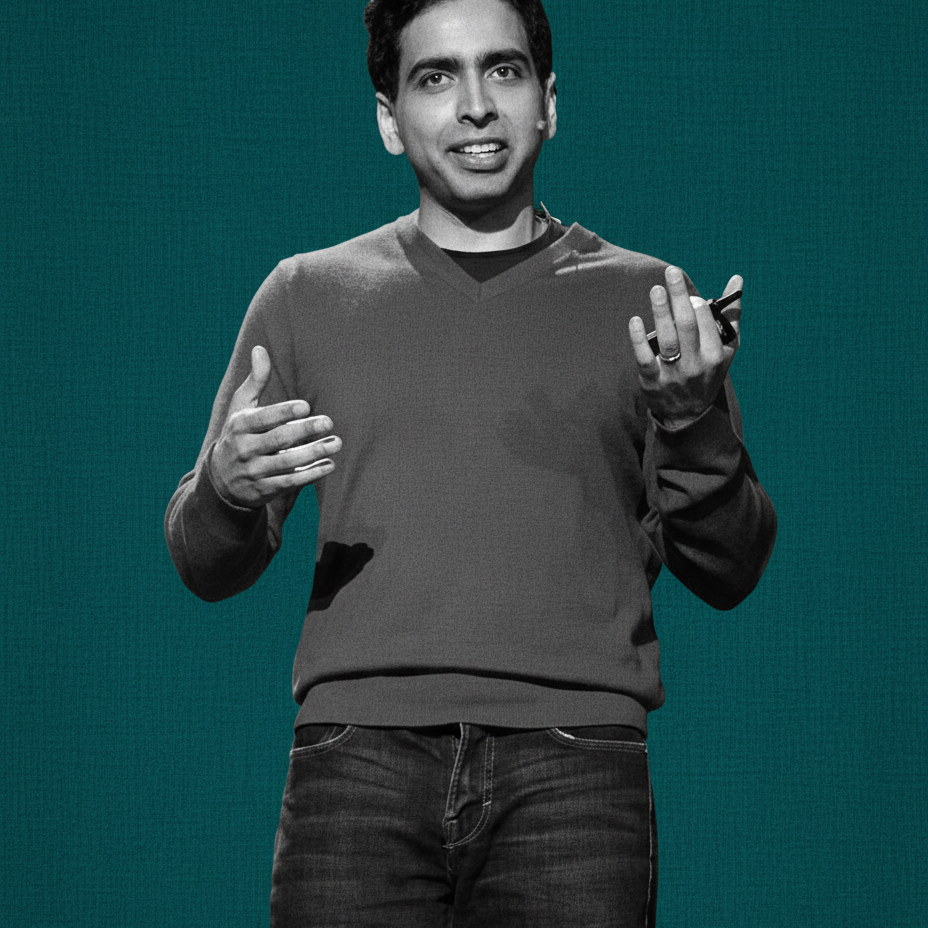
Khan demonstrated how technology can support mastery learning — students working at their own pace to genuinely master concepts before advancing. His approach shows how AI tools can personalize learning paths while maintaining rigorous standards. Khan Academy's integration of AI tutoring represents one of the most thoughtful implementations of AI in education: using AI for diagnostics and support while maintaining the human teacher relationship.
#44

Professor of Engineering, Oakland University & McMaster University
Oakley created Learning How to Learn — the world's most popular online course with over 4 million students on Coursera. Her work translates cognitive science into practical learning strategies that explain why AI tools should support active learning processes, not replace them. She's increasingly exploring AI as "cognitive prosthetics" — tools that help students become better learners rather than just faster answer-getters.
#45

Global Leadership Consultant & Author
Fullan's work on educational change is essential as schools navigate AI adoption. His insights into why change efforts fail — and how to make them succeed — help you avoid the most common AI integration mistakes: layering technology onto broken practices, implementing without teacher buy-in, and chasing tools instead of outcomes.
Start here: Leading in a Culture of Change — timeless principles for navigating disruption.
Find him: michaelfullan.ca · Twitter/X
These specialists work at the intersection of artificial intelligence and learning science. They're not just asking "Can AI do this?" — they're asking "Should it? And does it actually help students learn?"
#46
Professor of Learner-Centred Design, UCL Knowledge Lab
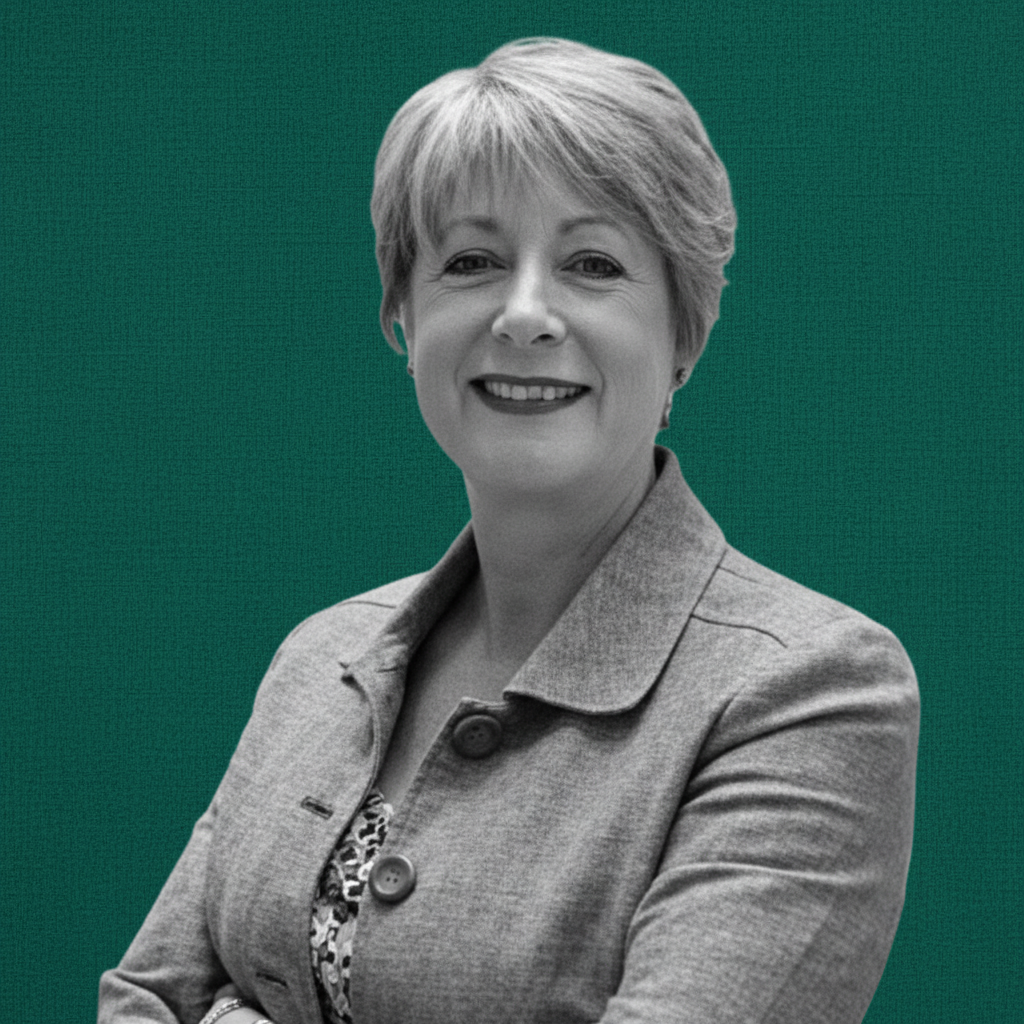
Luckin is one of the world's foremost researchers on AI in education. Her book Machine Learning and Human Intelligence provides the systematic framework for evaluating AI educational tools based on learning science principles. She argues that the real power of AI in education isn't replacing teachers — it's making the invisible parts of learning visible. Her framework helps you distinguish between AI that genuinely supports learning and AI that merely automates instruction.
Start here: Machine Learning and Human Intelligence: The Future of Education for the 21st Century.
Find her: UCL Profile · EDUCATE Ventures
#47

Professor of Critical Studies of AI and Education, UCL Knowledge Lab
Holmes systematically addresses the cognitive science misalignment in many AI educational tools. His research provides the ethical framework for ensuring AI enhances rather than undermines human learning. He's also a Senior Researcher at UNESCO's International Research Centre on AI, giving him a global perspective on AI's impact across educational contexts. When you need evidence-based criteria for AI tool selection, Holmes delivers.
#48

Emeritus Professor, University of Sussex
Du Boulay's research specifically addresses the cognitive partnership between human educators and AI systems. His work shows how AI can handle information processing while humans focus on creativity, critical thinking, and emotional intelligence — the skills AI cannot replace. If you're trying to figure out the right division of labor between you and AI tools in your classroom, du Boulay's research provides the framework.
#49

Associate Professor, Teachers College, Columbia University
Blikstein addresses the creative thinking crisis in the AI era. His research focuses on designing AI tools that force students to think creatively rather than generate answers. His concept of "constructionist AI" — where students build with AI rather than consume from it — aligns directly with decades of cognitive science research on desirable difficulties. He directs FabLearn, a global network spanning 24 countries, and recently led a project transforming 300+ schools in Rio de Janeiro.
#50

Associate Professor, The Wharton School, University of Pennsylvania
Mollick is arguably the most influential practical voice on AI in education right now. His newsletter One Useful Thing and his book Co-Intelligence have become essential reading for educators trying to figure out how to actually use AI tools well. What sets him apart: he doesn't just theorize. He runs experiments in his own classes at Wharton, publishes peer-reviewed research on AI's impact on learning, and shares what works and what doesn't with radical transparency. His approach is refreshingly balanced — neither AI hype nor AI panic. Just evidence and practical wisdom.
One idea runs through every specialist on this list.
Learning is something students do, not something done to them.
Willingham says memory is the residue of thought. Bjork says difficulty is desirable. Dweck says mindset shapes everything. Duckworth says grit matters more than talent. Rosenshine says check for understanding constantly. Mollick says experiment and share what you find. Luckin says make the invisible visible.
Different words. Same principle.
Real learning requires cognitive effort. It requires struggle. It requires students to think, retrieve, connect, fail, and try again.
AI tools that remove this effort don't help students learn. They help students appear to learn.
The specialists on this list give you the knowledge to tell the difference.
If you're feeling overwhelmed by 50 entries, here's where to start based on your role:
If you're a classroom teacher:
- Make It Stick (Brown, Roediger, McDaniel)
- Powerful Teaching (Agarwal & Bain)
- Teach Like a Champion 3.0 (Lemov)
If you're a curriculum leader:
- How Learning Happens (Kirschner & Hendrick)
- Why Don't Students Like School? (Willingham)
- Developing Curriculum for Deep Thinking (Surma — free PDF)
If you're evaluating AI tools:
- Machine Learning and Human Intelligence (Luckin)
- Teachers vs Tech? (Christodoulou)
- Design for How People Learn (Dirksen)
If you're a school leader navigating change:
- Visible Learning for Teachers (Hattie)
- Leading in a Culture of Change (Fullan)
- Embedded Formative Assessment (Wiliam)
Don't bookmark this and forget it.
Do this instead:
This week: Pick one person from the list. Follow them on Twitter/X or subscribe to their newsletter. Read one thing they've written. That's it.
This month: Read one book from the reading list above. The one closest to your current challenge.
This term: When your school adopts a new AI tool, come back to this list. Find the researcher whose work is most relevant. Check whether the tool aligns with what they've found. If it doesn't, you'll know the right questions to ask before your school spends the money.
The AI tools will keep changing. New ones will launch every week. Most will be forgotten within a year.
The learning science won't change. The brain still works the way these researchers describe. Memory still forms through retrieval. Working memory is still limited. Effort still builds understanding.
That's why this list matters. Not because these 50 people have all the answers. But because they've spent decades asking the right questions.
And in an age of AI-generated everything, asking the right questions is the most valuable skill you can develop — for yourself and for your students.


This is an incredible resource for anyone building a professional learning network. Bookmarked and shared with my whole faculty.