
Everything the room walked away with
The two documents the facilitators built this session around, plus the deck. Yours the moment you register — no second form.
The Powers of Questions — Workshop Companion
9-page PDF · the five rewrites, the five teachers’ principles, and a printable Question Transformation Card
What Makes a Question Powerful — the curated reading
10-page PDF · Socratic questioning, the seven talk moves, driving and essential questions — the set the room read live
The session slides
Google Slides · the compliance-vs-inquiry contrast and the guided question
PDFs are free to print and share inside your school.
“Does everyone understand?” — most classroom questions check for compliance, not thinking.
A compliance question seeks a specific answer, and the teacher holds the key. An inquiry question seeks a perspective, and the student holds the thinking. The difference isn’t talent — it’s design. This is the recording of a working session where teachers from four countries put their own questions on the table, read the research on what makes a question powerful, and rewrote them live.
In 37 minutes, you'll walk away with
Not a lecture. A staffroom conversation between five teachers who each brought a real problem.
The compliance-vs-inquiry lens
Two minutes that make the difference visible: who holds the key, and who holds the thinking. Brian’s note on “who can tell me *the* answer” — the definite article that freezes a room — is worth the first ten minutes on its own.
Five before → after rewrites, verbatim
“Does everyone understand?” → “What part of this is still confusing for you?” · “Do you get it?” → “How would you explain this to someone who missed today’s lesson?” · and three more, each with the principle behind the shift.
Principles from five teachers in five subjects
Ioana on the essential question, Brian on relevance, Molly on stoichiometry and tattoos, Chandrabhan on the sword and the bamboo, Rashmi on letting students ask first. Different subjects, the same underlying move.
The facilitators rewriting their own questions
Brian takes “Have you completed the pre-reading?” — a compliance question he admits AI pushed him into asking more often — and turns it into “How does the reading from last night apply to our task today?”
The Question Transformation Card
Old question → new question → the principle behind the shift. A printable card in the companion PDF, ready for the next unit you plan.
This is for you if
- You teach K-12 — any subject, PYP, MYP, DP, CP, or outside IB entirely — and ask questions all day
- Your questions mostly get one-word answers, or silence
- You want students to own more of the thinking without redesigning your whole unit
- You’d rather watch teachers work through this than be lectured about it
Skip it if
- You want a formal course on questioning theory — this is 37 minutes of practitioners, not a literature review
- You’re looking for a school-wide questioning policy — this is a classroom move
Bonus: The Inquiry-Driven Classroom Starter Kit
Register and all five field guides land in your confirmation email — 60+ templates, 50 driving questions, and AI-resilient task designs.
The Lesson Flip Kit
12-page guide · 10 templates
The Differentiated Inquiry Toolkit
10-page guide
The Question Flip
9-page guide · 50 questions
The 30-Second Close
6-page guide
The AI-Resilient Lesson Design Guide
8-page guide
The kit is free either way at edodo.app/download/inquiry-starter-kit — registering just saves you the form.
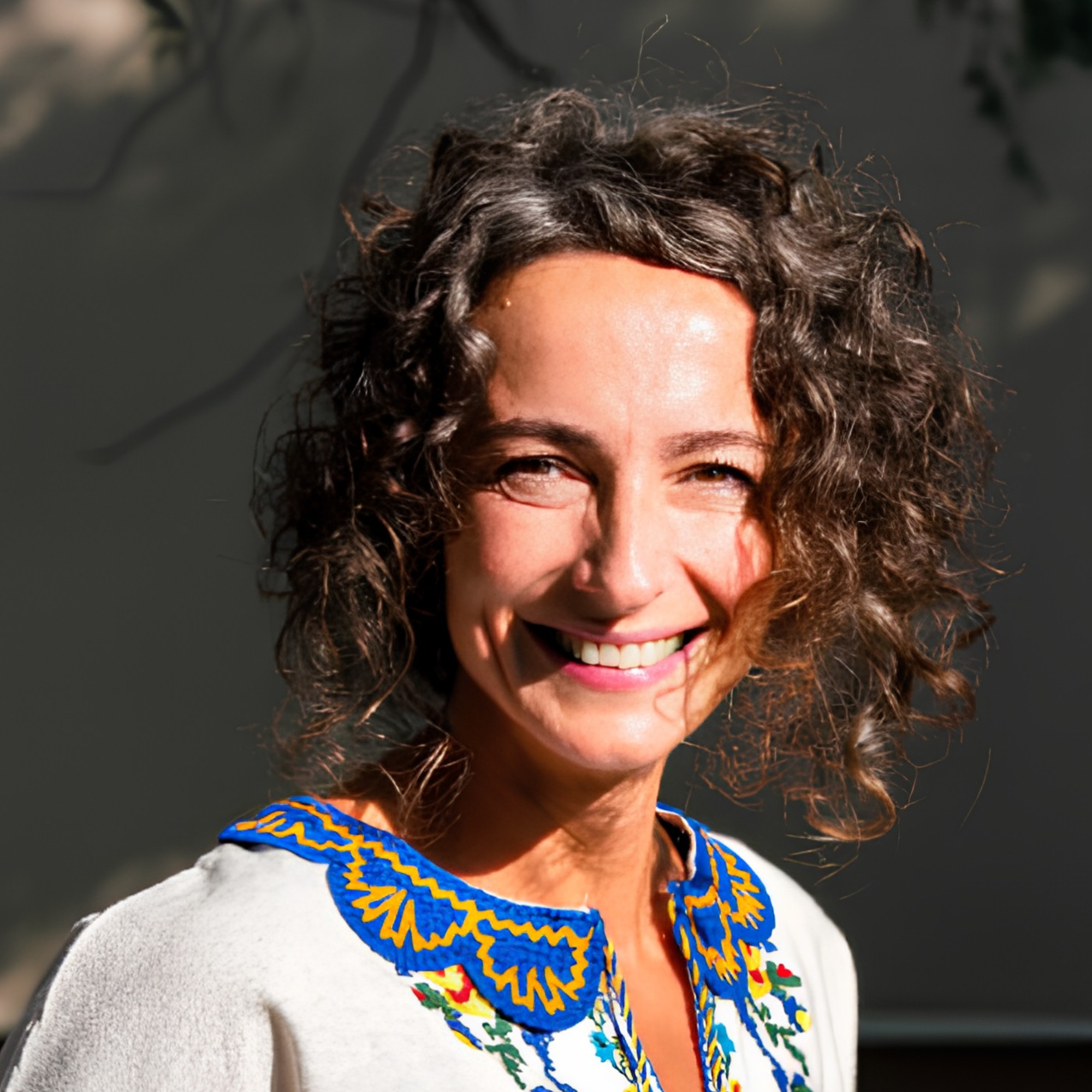
Ioana Badicioiu
Workshop Leader · Coordinator, The Inquiry-Driven Educator
International educator and inquiry practitioner supporting concept-based learning across the DP and MYP programme.
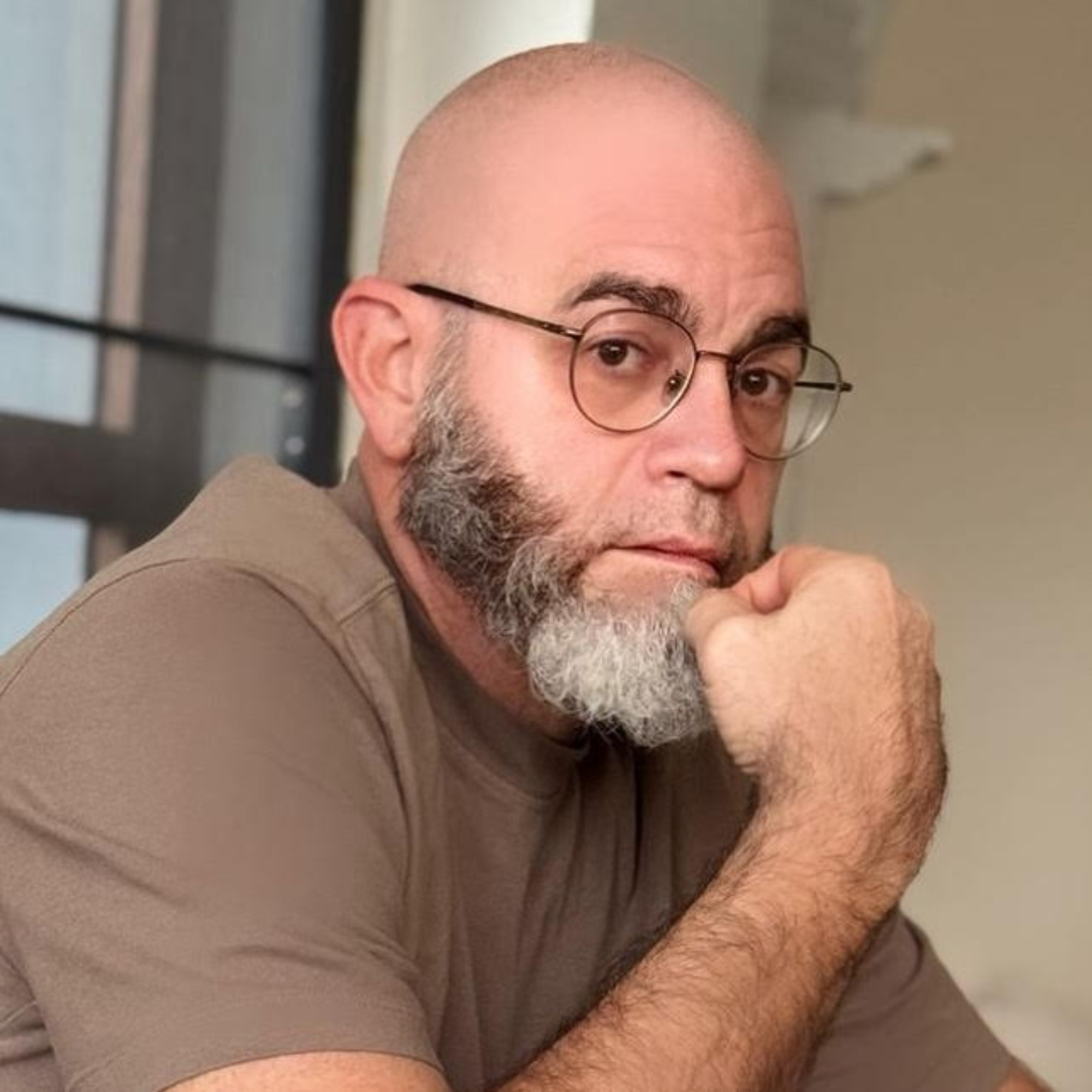
Brian Jackson
Workshop Leader · The Inquiry-Driven Educator
International educator focused on inquiry-driven practice and disciplinary thinking in the secondary classroom. Brian works with MYP, DP and CP teachers on making quality visible to students — exemplars, criteria, and the questions that drive real thinking.
Ioana and Brian teach this the way they teach everything: you experience the move as a learner first, then plan it as a teacher.
Do I have to watch it in one sitting?
No. It’s chaptered, and we remember where you stopped — come back on any device and pick it up. If you only have ten minutes, the two-kinds-of-questions chapter and the rewrites are the core.
Is it really free? What’s the catch?
Really free, no card. The recording and both PDFs are yours to keep and to share with your department. If you like how Ioana and Brian teach, their seven-week certificate is the deeper version — that’s the whole business model.
Why do I have to give my email?
So we can send you the link again when you want it on another device, and so the two PDFs land somewhere you can find them in a month. One email, unsubscribe any time.
Do I need to teach IB?
No. The teachers in the session are from IB schools, so IB language shows up, but nothing in it depends on an IB programme. It works anywhere students are asked questions.
Can I share this with my department?
Please do — send them this page rather than the video file. They register in ten seconds and get the PDFs too, and we get to see that the session was worth running again.
Is there a live version?
Yes. The live sessions are where you work on your own questions and get feedback in the room, which is the part a recording can’t give you. Upcoming dates are on the workshops page.
Coming to a live one?
The live sessions are where you work on your own material and get feedback in the room.
See upcoming live workshops