Resources
Practical guides for teachers. Give your name and email, and the file is yours.
The Inquiry-Driven Classroom Starter Kit
Five free field guides that make inquiry-based teaching doable on Monday morning.
5 files · 45 pages
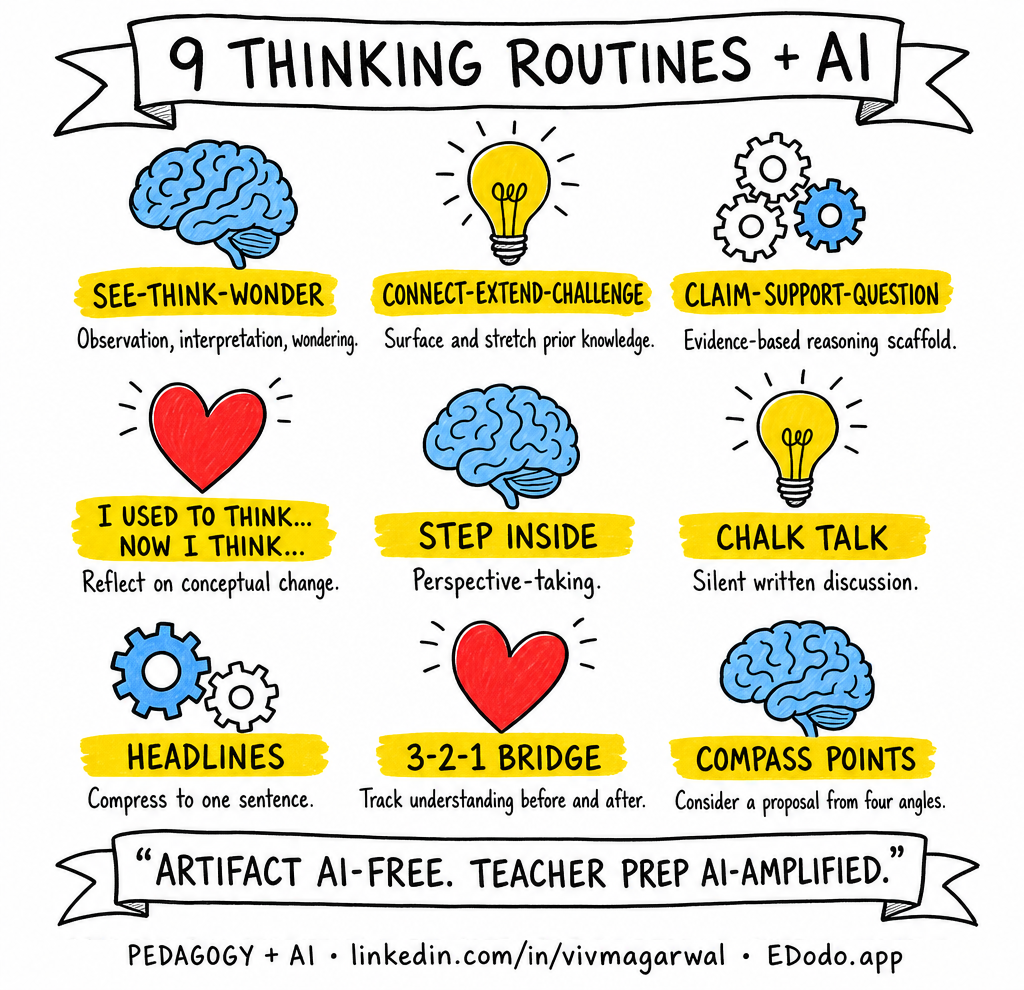
Harvard Project Zero Thinking Routines
Short, named, repeatable cognitive moves (See-Think-Wonder, Connect-Extend-Challenge, Claim-Support-Question, I Used to Think...
9 pages
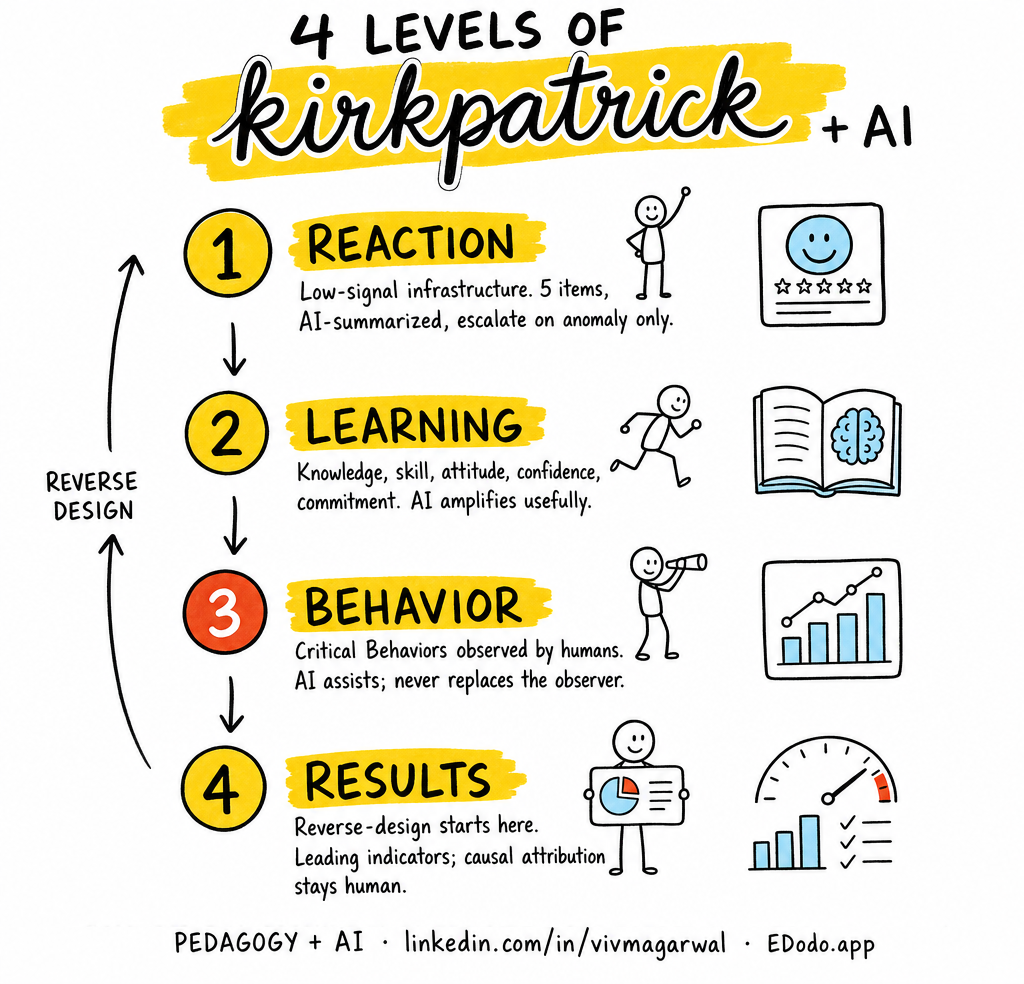
Kirkpatrick Model — Four Levels of Training Evaluation
A four-level model — Reaction, Learning, Behavior, Results
8 pages
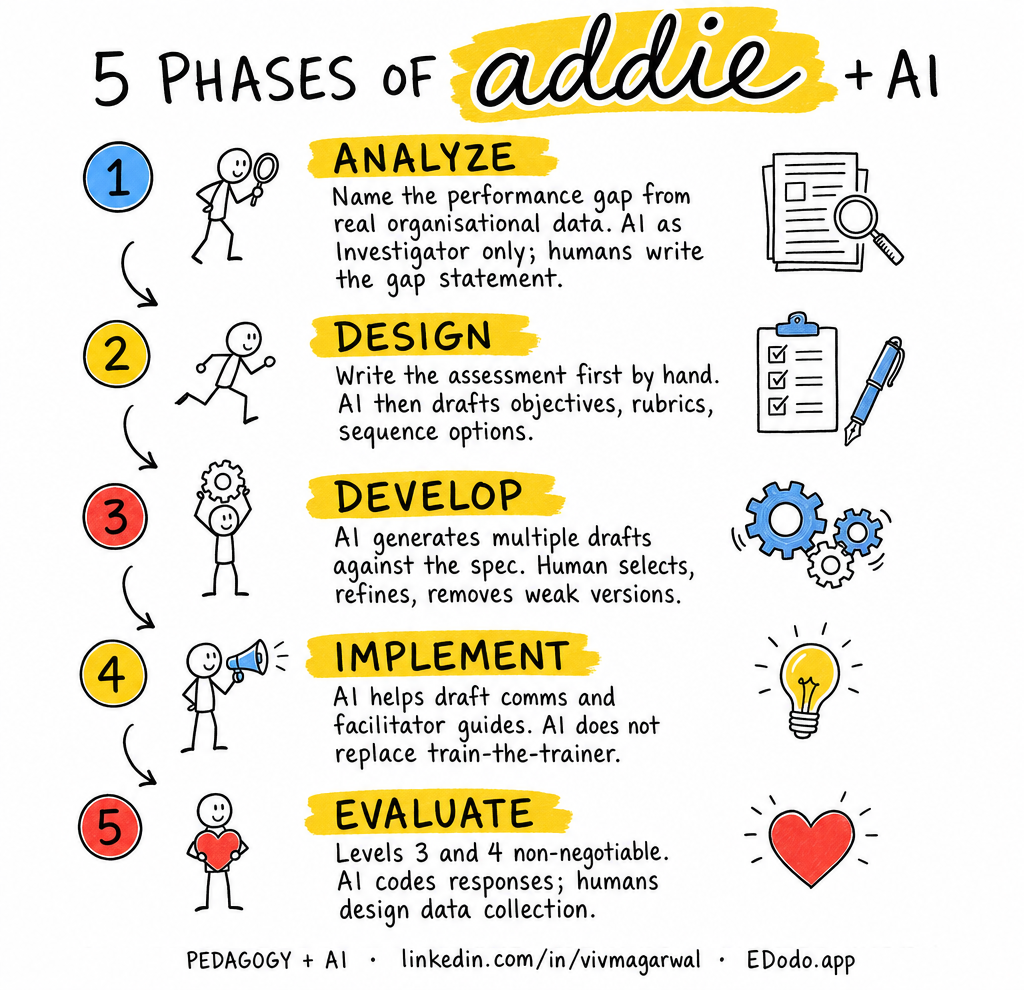
ADDIE Model
A five-phase generic process model — Analyze, Design, Develop, Implement, Evaluate — used as an umbrella description of systematic instructional design.
9 pages
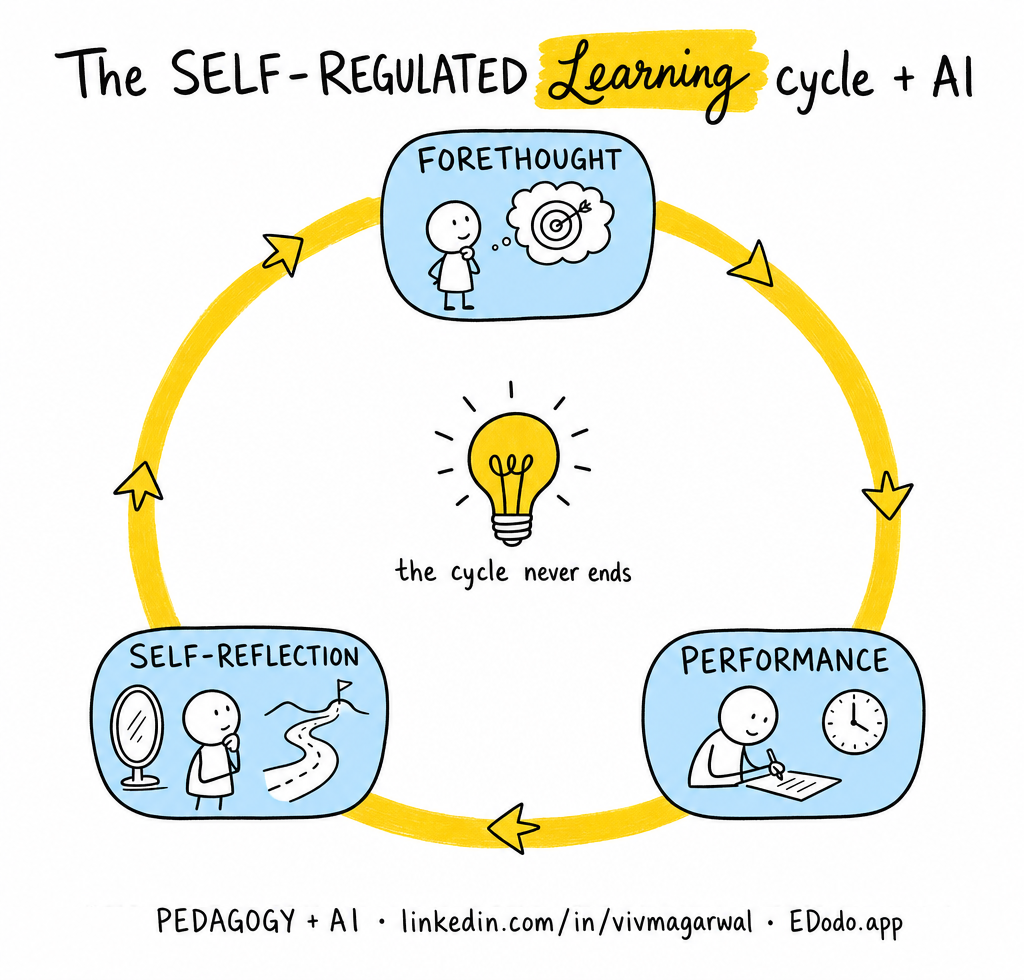
Zimmerman's Self-Regulated Learning (SRL)
Self-regulated learners proactively control their own learning by cycling through three phases — forethought, performance, self-reflection
9 pages
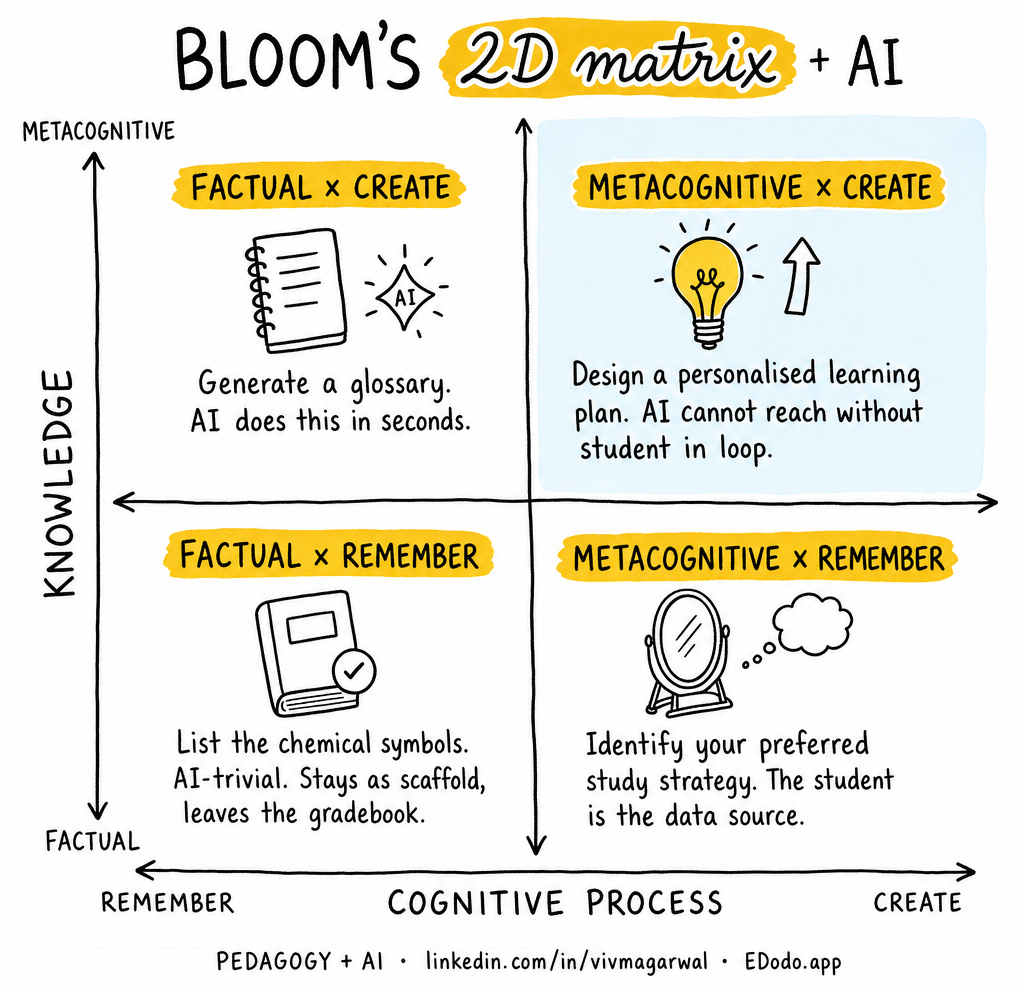
Bloom's Taxonomy (Revised)
A two-dimensional matrix that classifies learning objectives by the kind of knowledge a student is working with and the cognitive process they are using on it.
9 pages
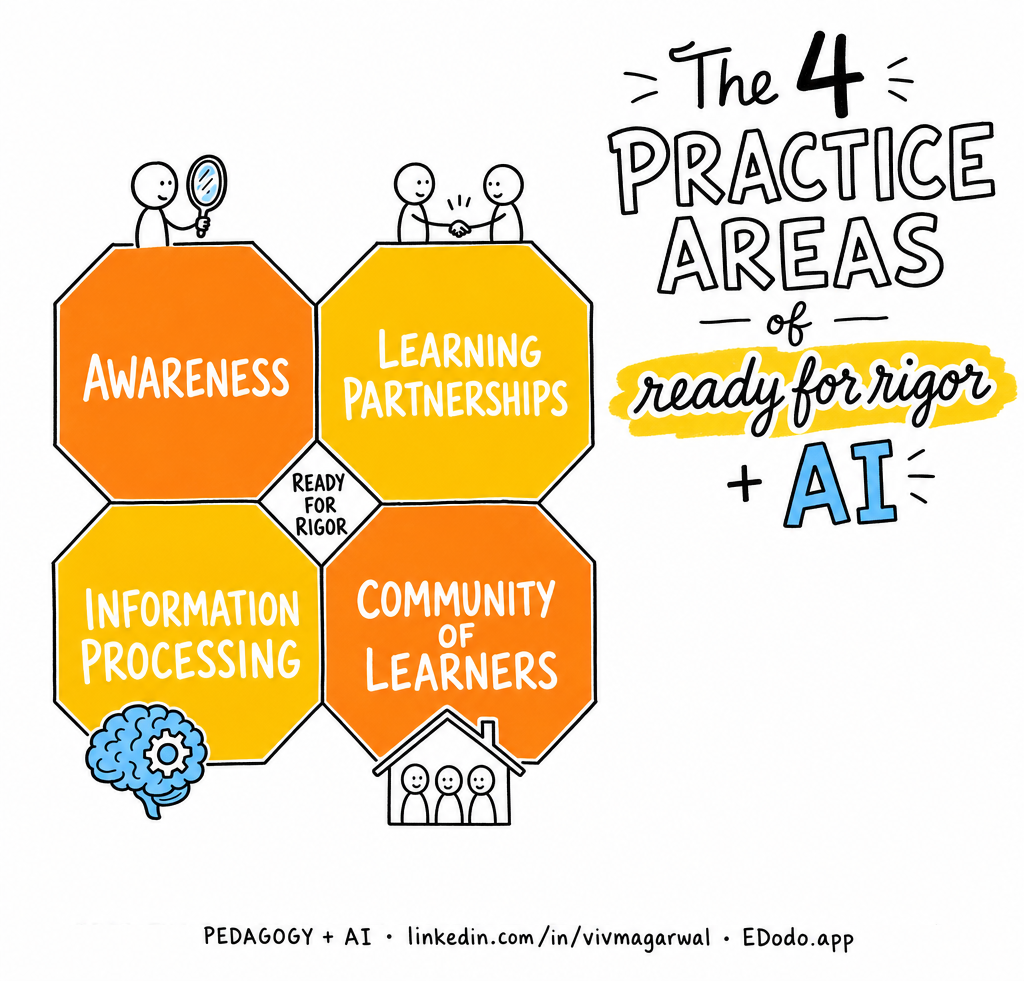
Ready for Rigor — Culturally Responsive Teaching & the Brain (Hammond)
A practitioner-focused framework that braids together equity, culturally responsive teaching…
11 pages
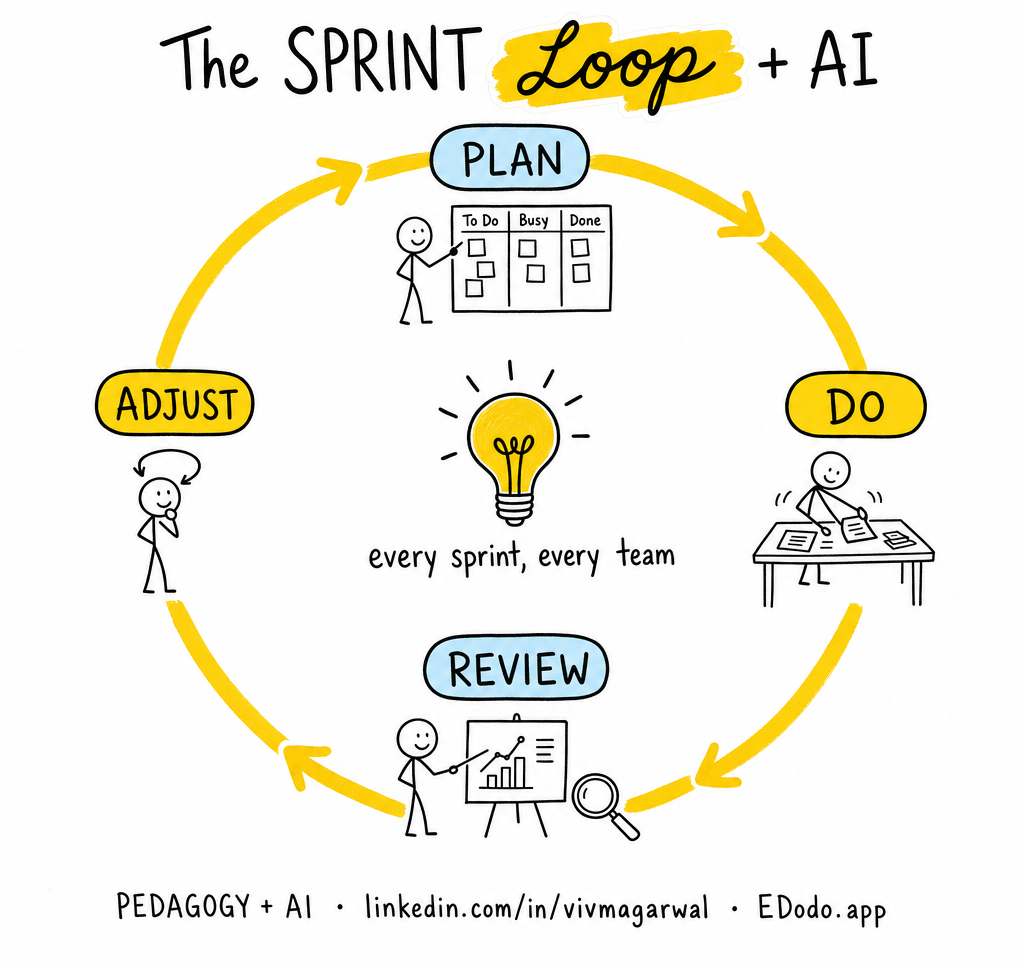
Agile Learning / eduScrum
eduScrum is a classroom adaptation of the Scrum agile framework, developed by Willy Wijnands in the Netherlands beginning around 2011…
9 pages
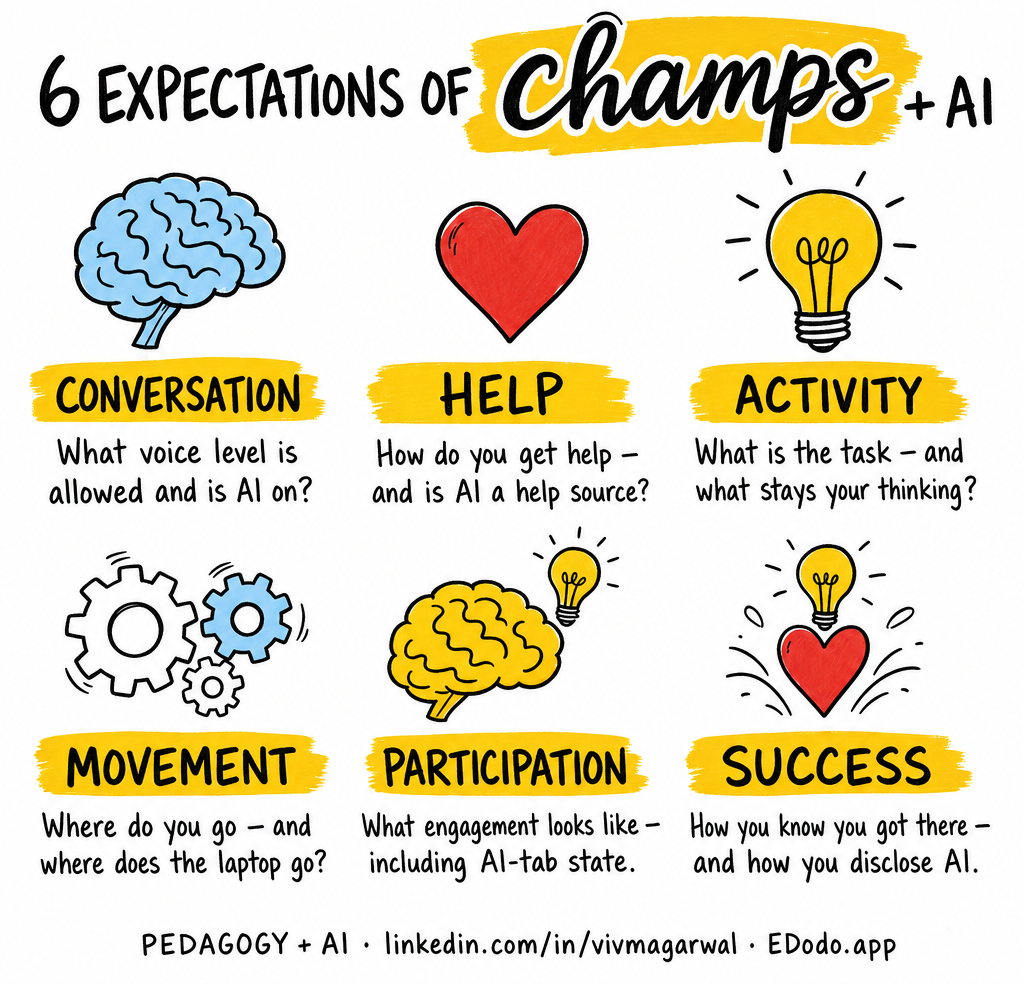
CHAMPS
A proactive, structured classroom-management protocol in which the teacher explicitly defines and posts six categories of behavioral expectation
9 pages
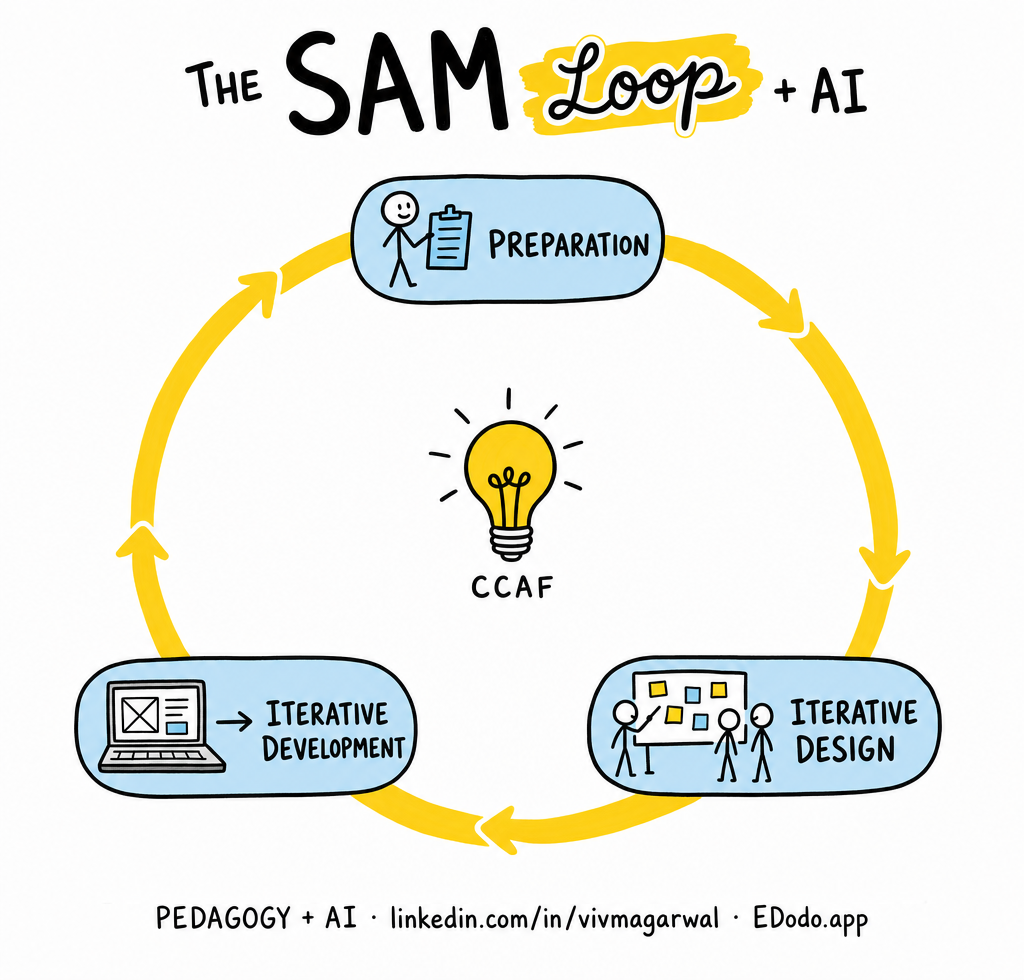
SAM — Successive Approximation Model
An agile, prototype-driven instructional design model that runs in short iterative cycles across three phases — Preparation, Iterative Design, and Iterative Development
9 pages
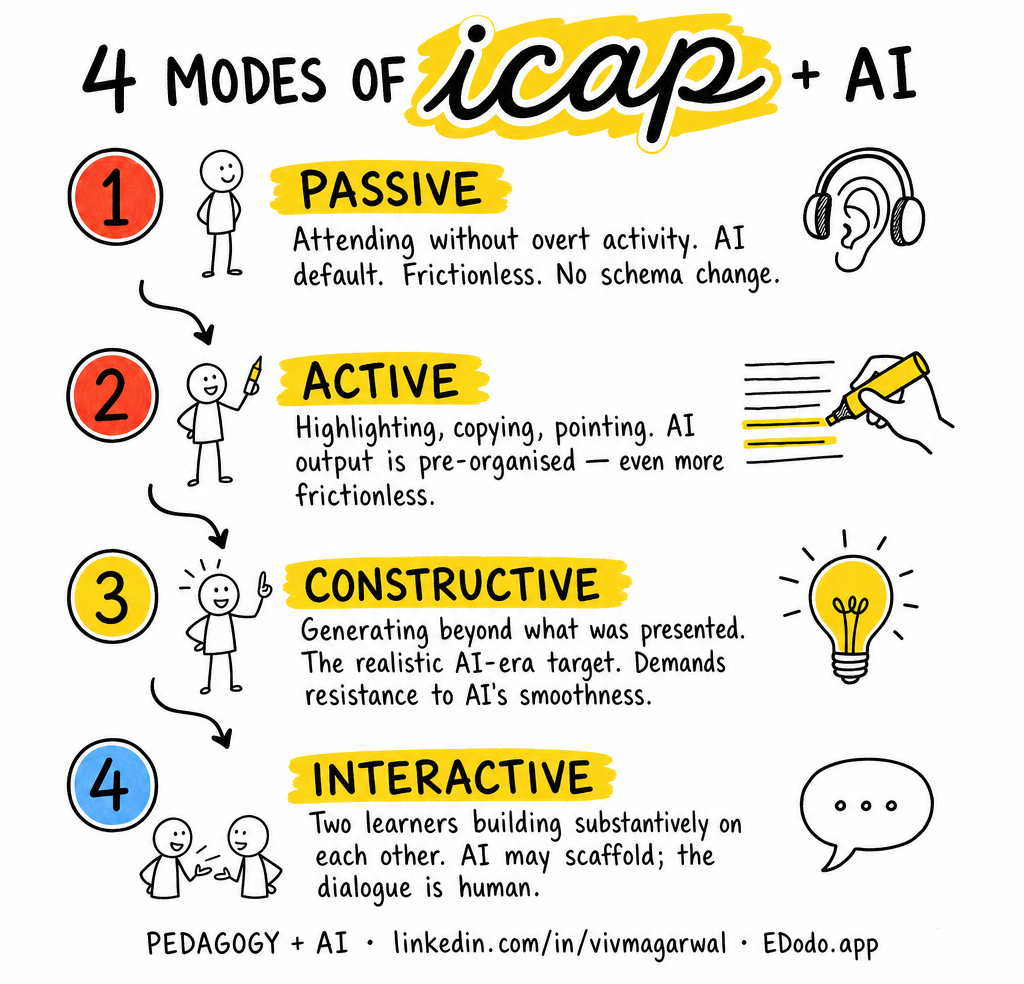
ICAP Framework
ICAP is a four-mode taxonomy of cognitive engagement — Passive < Active < Constructive < Interactive
9 pages
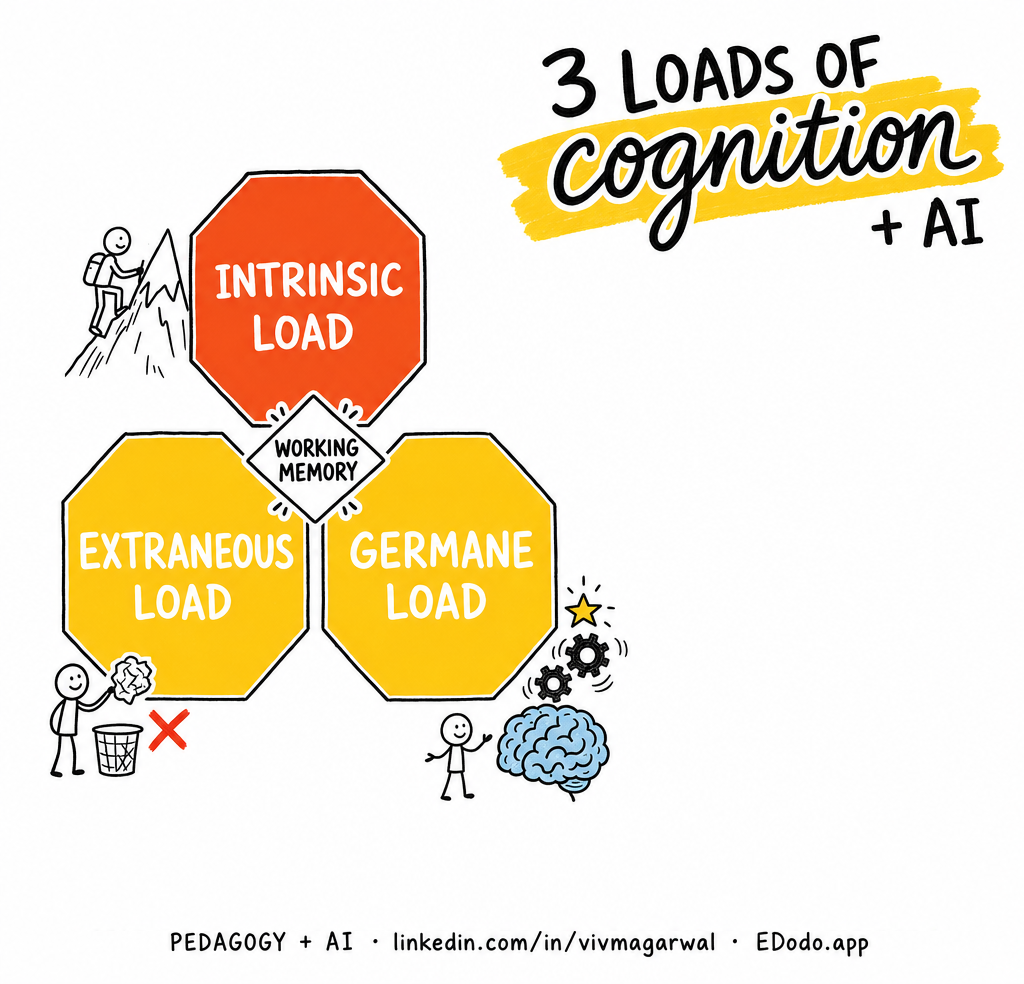
Cognitive Load Theory
Learning is constrained by the narrow bottleneck of working memory; instruction succeeds when it minimizes wasted load and channels effort toward building durable mental schemas…
9 pages
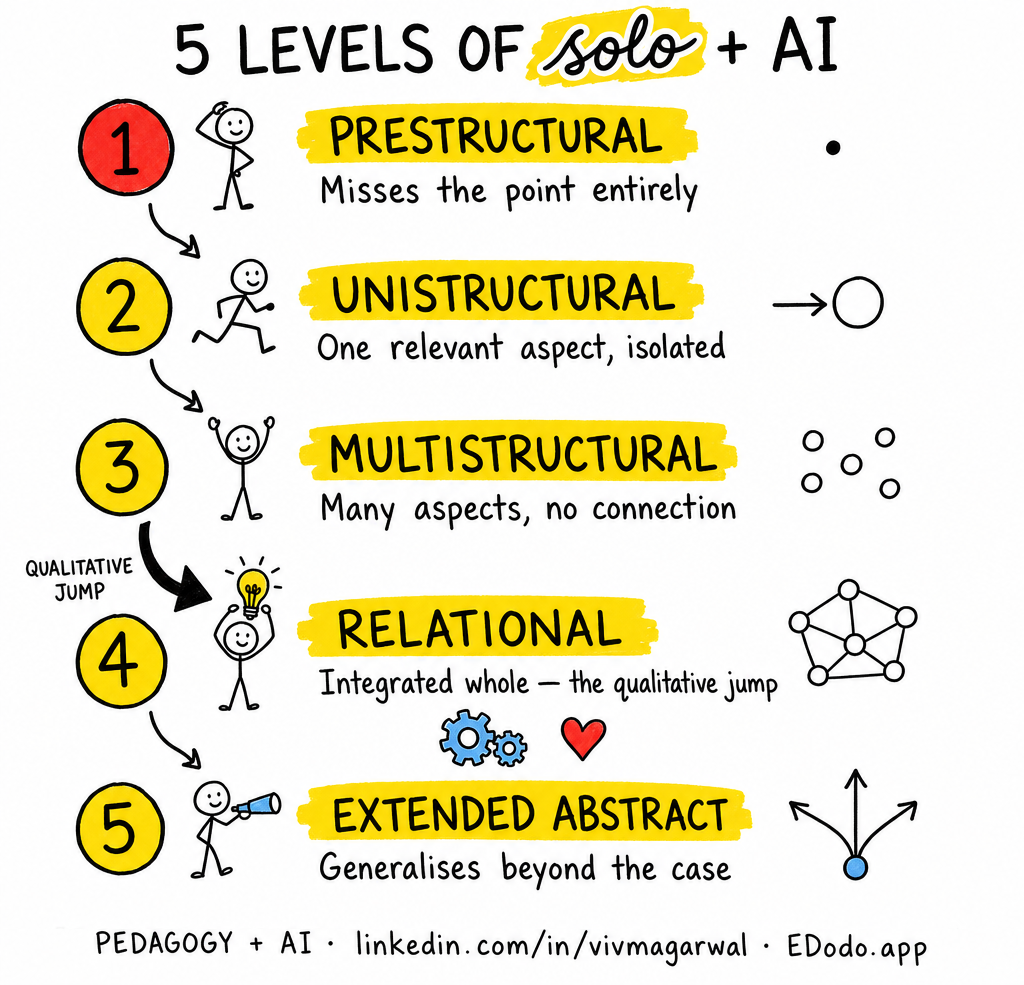
SOLO Taxonomy
A five-level scheme that classifies the structural complexity of a student's observed response…
9 pages
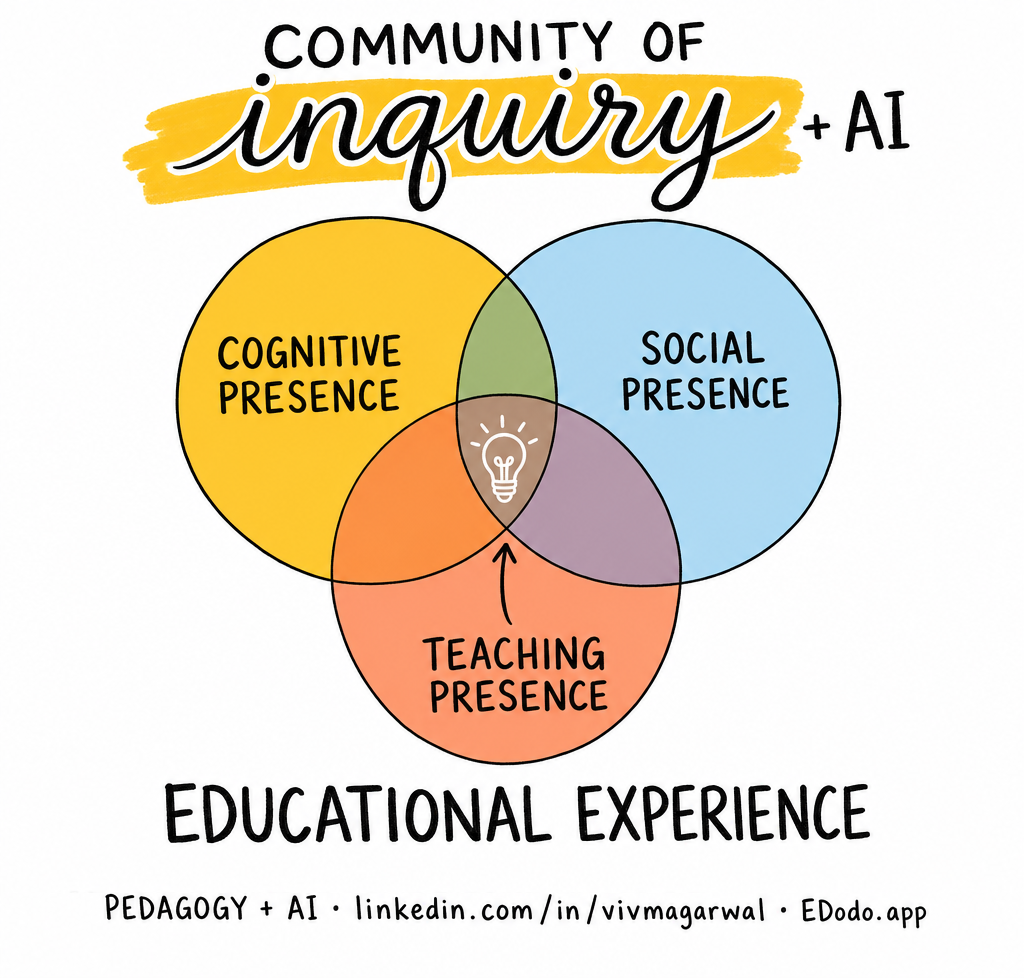
Community of Inquiry (CoI)
A process model of online and blended learning that frames a meaningful educational experience as the overlap of three interdependent presences
9 pages
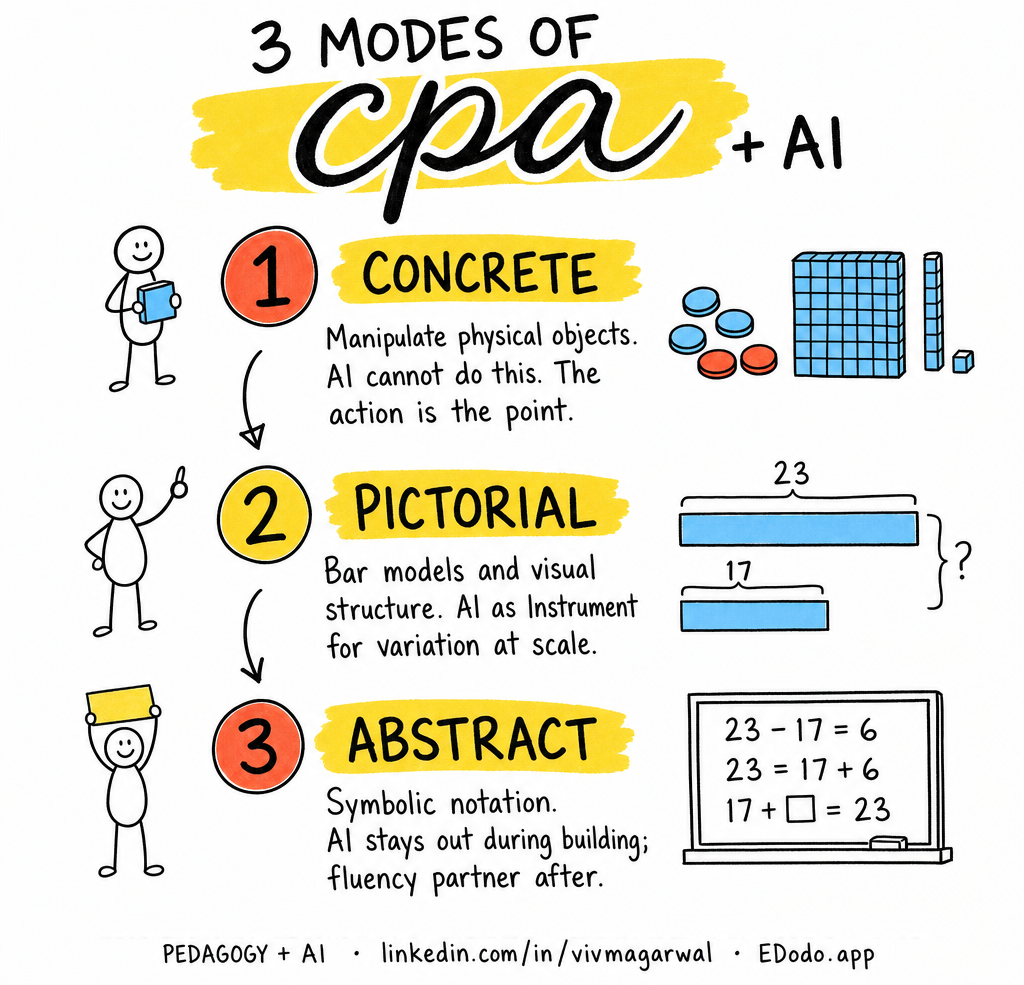
Concrete-Pictorial-Abstract (CPA)
A representational sequence for mathematics teaching in which learners first manipulate physical objects (Concrete), then work with pictorial models (Pictorial)…
9 pages
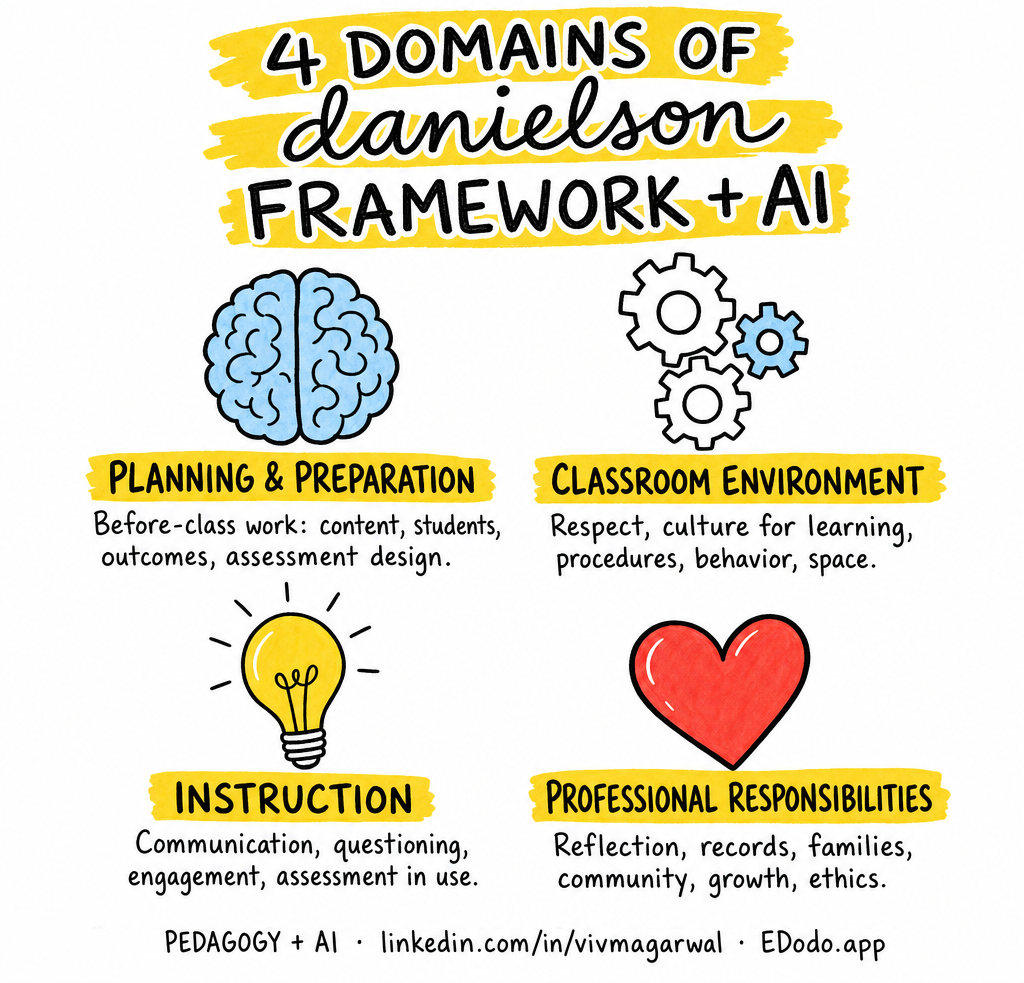
Danielson Framework for Teaching (FfT)
A research-based map of teaching practice organized into four domains and 22 components…
9 pages
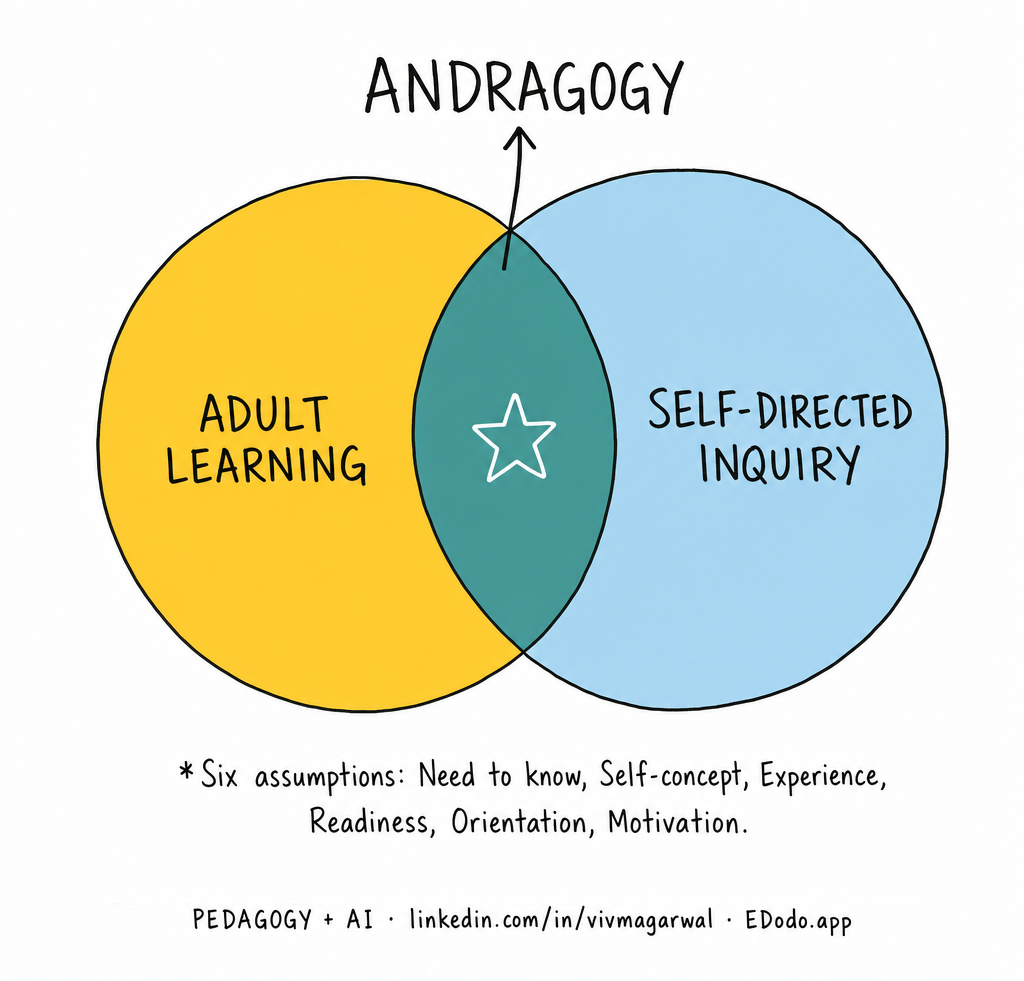
Knowles' Andragogy
A set of six assumptions about how adults learn
9 pages
Purpose vs Task — the decision lens for AI in classrooms
AI is a task machine. Teaching is a purpose profession.
2 files · 2 pages
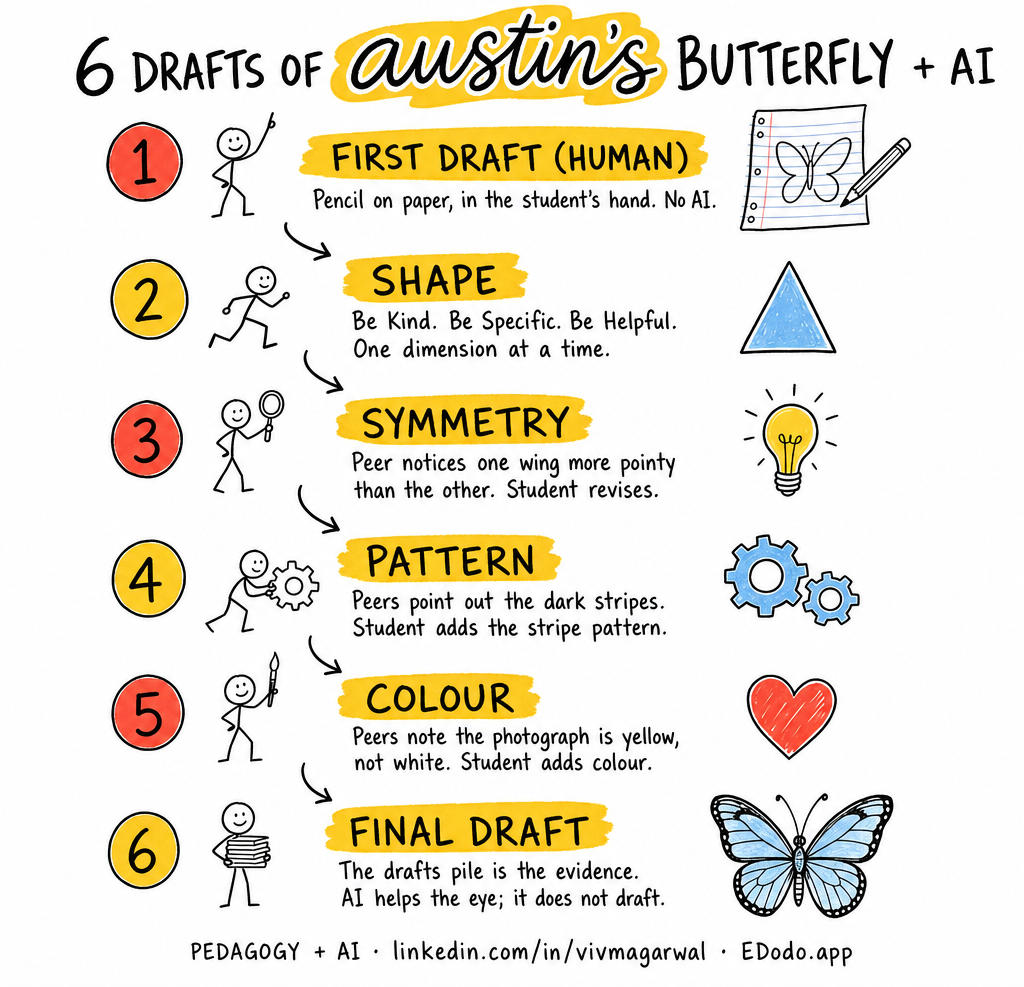
Austin's Butterfly
A six-draft scientific drawing by a first-grader, narrated by Ron Berger…
9 pages
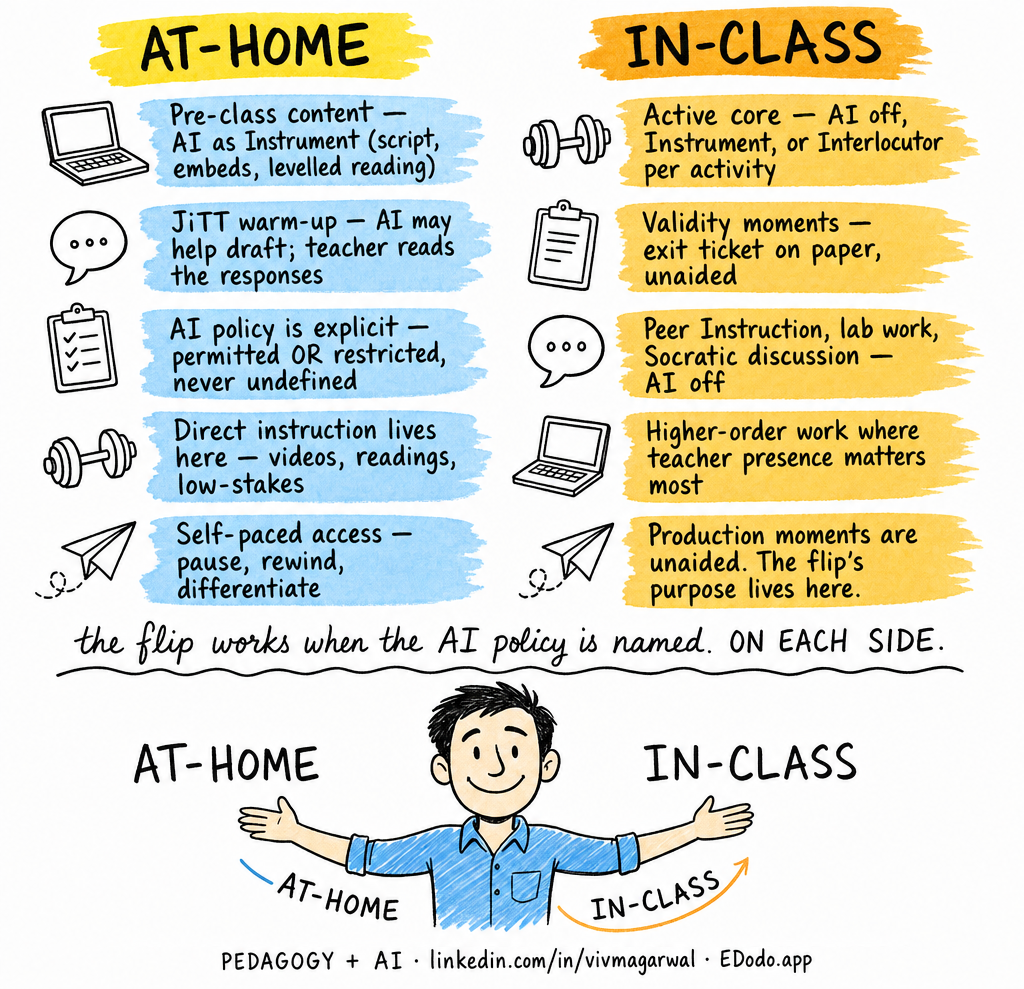
Flipped Classroom / Flipped Learning
A pedagogical approach that relocates direct instruction (videos, readings) to the individual learning space outside class, freeing class time for active…
9 pages
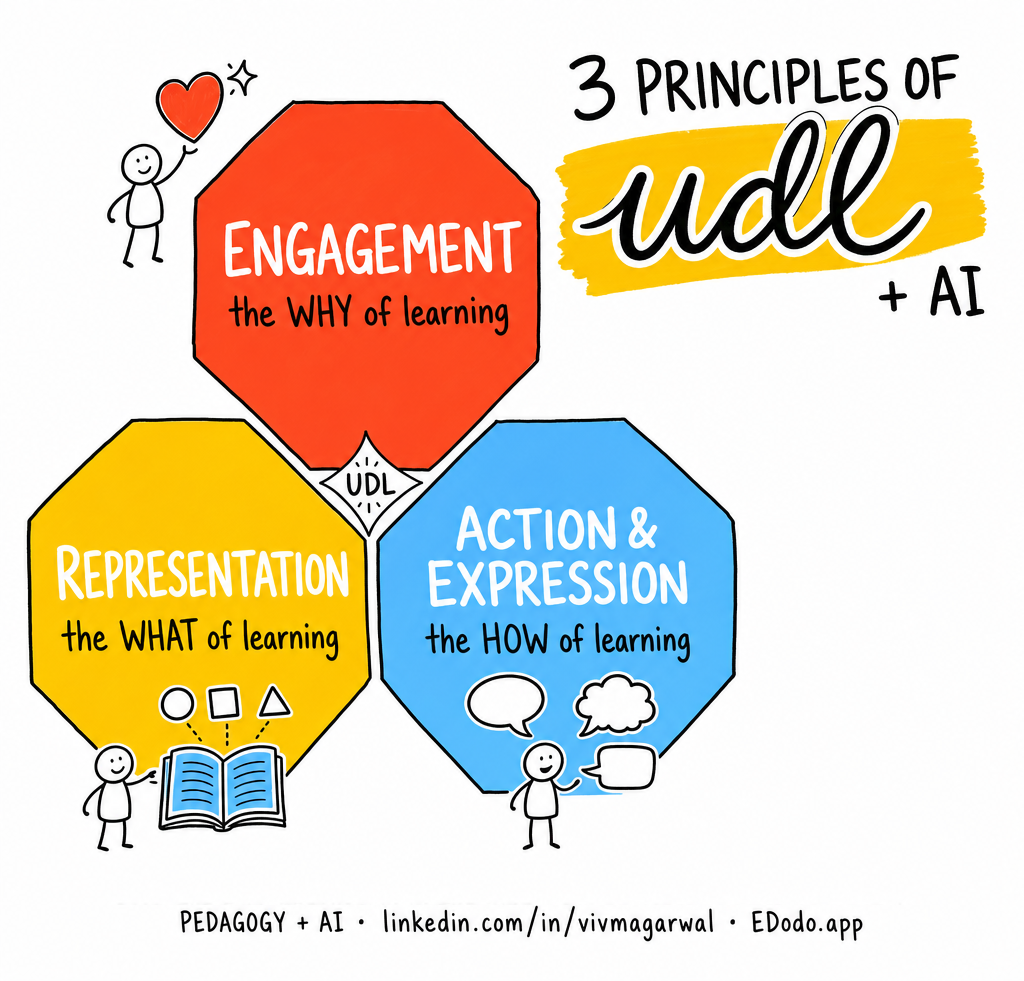
Universal Design for Learning (UDL)
A research-based framework for proactively designing flexible learning environments that anticipate learner variability and reduce barriers across three networks of the brain…
8 pages
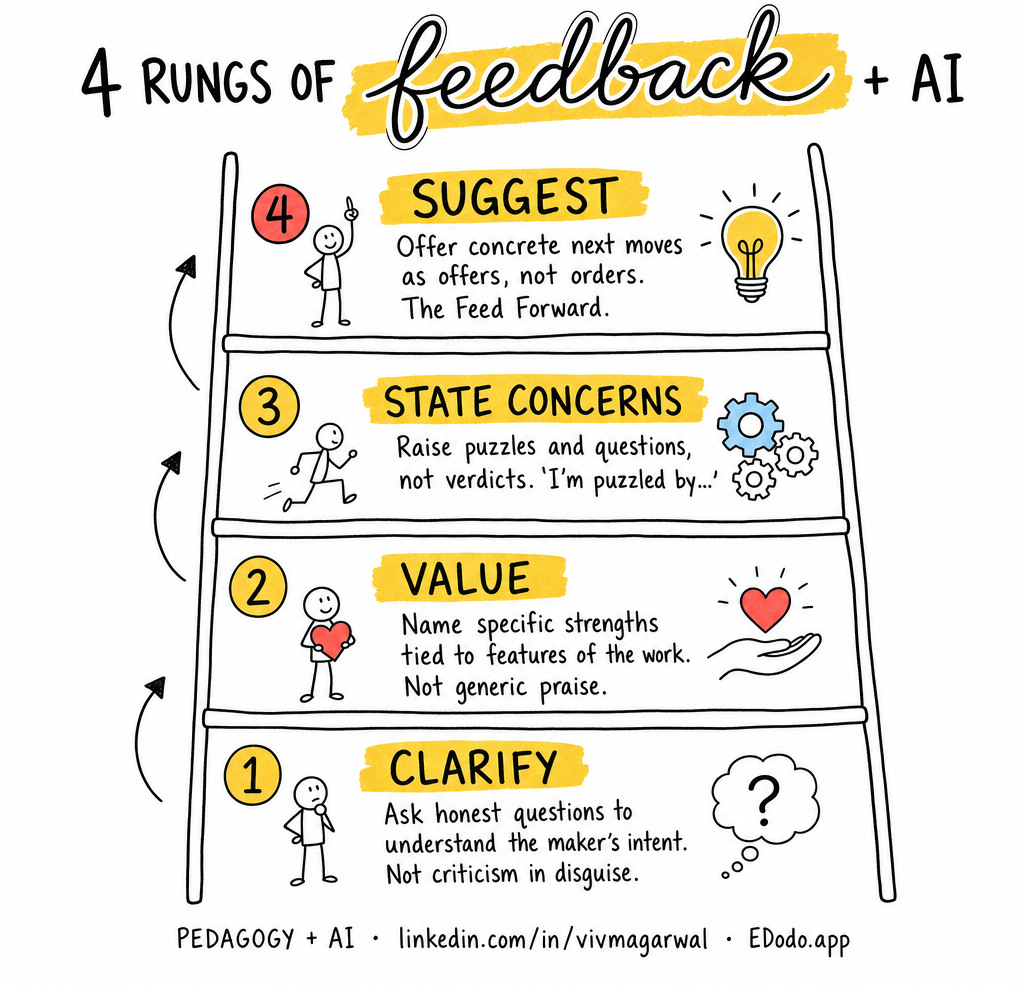
Ladder of Feedback
A four-rung structured protocol — Clarify, Value, State Concerns, Suggest
9 pages
The Powers of Questions: Designing for Agency
Watch teachers take the questions they really ask and rewrite them, so the student does the thinking.
37 min · 2 files · 17 pages
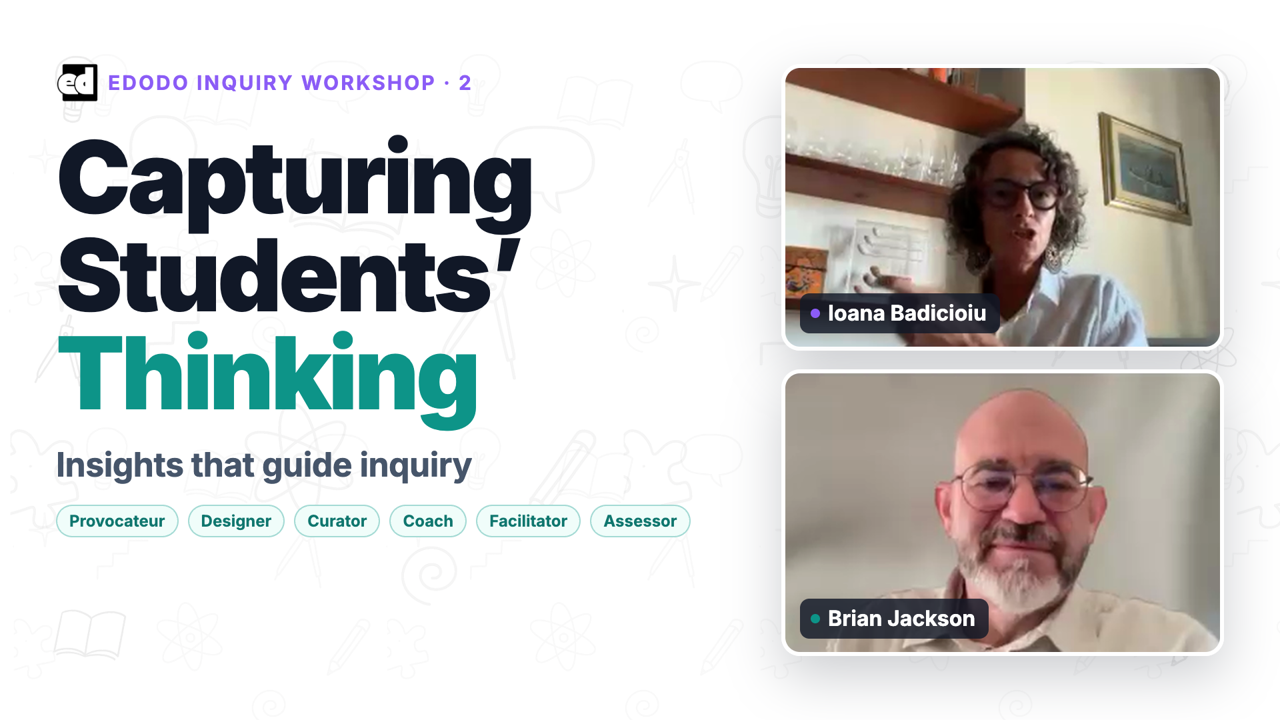
Capturing Students’ Thinking: Insights That Guide Inquiry
See what a student's notes tell you while the lesson is still running, and tell a stuck student from one who is thinking.
49 min · 2 files · 19 pages