
Silent Scream
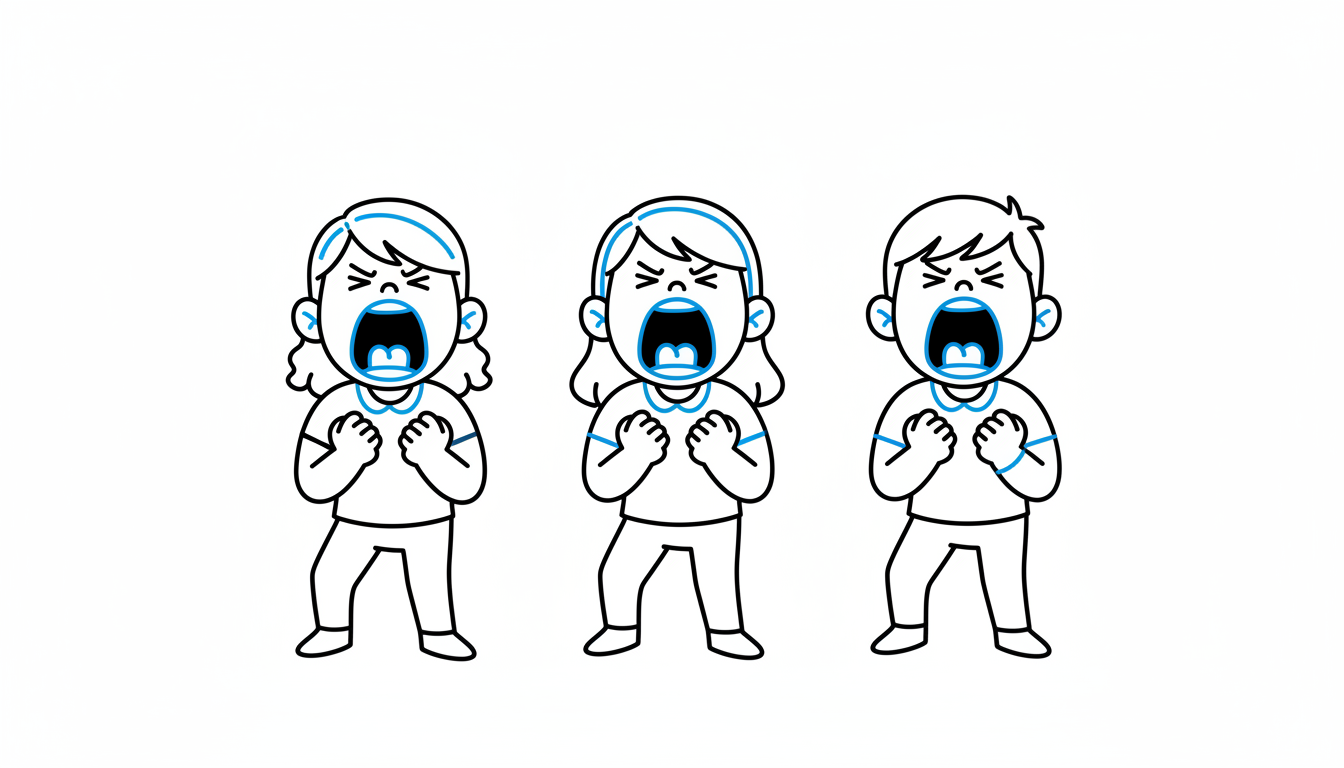
At a Glance
- Time: 15-30 seconds
- Prep: None
- Group: Whole class
- Setting: Any
- Subjects: Universal
- Energy: Medium
Purpose
Release stress, tension, and anxiety through silent but physically expressive "screaming." Use this before tests, during high-pressure moments, or when you sense overwhelming stress in the room. It's cathartic and surprisingly effective.
How It Works
- ANNOUNCE (5 seconds) - "We're doing a silent scream. Open your mouth wide, scrunch your face, tense your body—but make NO sound."
- DEMONSTRATE (5 seconds) - Show an exaggerated silent scream
- SCREAM (10 seconds) - Everyone does it together
- RELEASE (5 seconds) - "And breathe. Let it go. Feel better?"
What to Say
"I can feel the stress in this room. Before the test, we're going to release it—physically. Stand up or stay seated. When I say 'go,' open your mouth as wide as possible, make the most stressed, panicked face you can, tense every muscle—BUT make absolutely NO sound. Silent scream. Ready? GO!"
(After 10 seconds) "And stop. Shake it out. Take a deep breath. That stress? You just let it go. Now let's ace this test."
Why It Works
Physical expression of stress provides cathartic release. The exaggerated facial expressions and body tension—then release—activate and then discharge the stress response. The silence makes it classroom-appropriate while still effective. The shared silliness builds community and reduces isolation in stress. Laughter often follows, which releases endorphins. This is a somatic (body-based) stress management technique.
Research Citation: Expressive techniques for stress release can reduce anxiety and improve emotional regulation (Levine, 2010).
Teacher Tip
Do it WITH them. If you do a big, dramatic silent scream while they watch, they'll feel permission to fully commit. Your modeling gives them safety to express stress without judgment.
Variations
For Different Subjects
- Before Tests: "Test anxiety? Let's scream it out—silently."
- After Difficult Content: "That was hard. Silent scream to release frustration."
- Before Presentations: "Nervous? Silent scream. Then we're ready."
- Any High-Stress Moment: Traffic jam moment, overwhelming assignment, etc.
For Different Settings
- Any Size: Works for all class sizes
- Online: Works GREAT. Students scream silently on camera. Often hilarious and bonding.
- Quiet Requirement: Perfect for this—already silent
- Public Spaces: No noise disruption
For Different Ages
- Elementary (K-5): Find it hilarious. May need reminders about the SILENT part.
- Middle/High School (6-12): Initially awkward, then cathartic. They appreciate the release.
- College/Adult: Explain the purpose first. Adults will do it once they understand it's a genuine stress technique.
Online Adaptation
Perfect Online Activity:
- "Turn cameras on. We're doing silent screams. Open your mouth, look stressed, make the face—NO sound. GO!"
- Gallery view = everyone seeing everyone else
- Often ends in laughter, which is the goal
Troubleshooting
Challenge: Students make noise. Solution: "SILENT! Not a sound! Try again—mouth open, face stressed, body tense, zero noise."
Challenge: Students feel silly and won't do it. Solution: "I know it feels weird. That's the point. Weird releases stress. Try it for 5 seconds. What do you have to lose?"
Challenge: Someone laughs during it. Solution: "Perfect! Laughter is the goal. Stress released. Let's try one more time."
Extension Ideas
- Deepen: "We just released stress physically. Your body stores stress in muscles. Physical release helps. Remember this technique for any stressful moment."
- Connect: "Actors use this technique before going on stage. It's a professional stress management tool."
- Follow-up: "Feeling stressed tonight while studying? Do a silent scream. It helps."
Related Activities: Shake It Off, Superhero Poses, Energy Check