
Interview-Based Check
At a Glance
- Time: 3-4 minutes
- Prep: None
- Group: Pairs
- Setting: Any
- Subjects: Universal
- Energy: Medium
Purpose
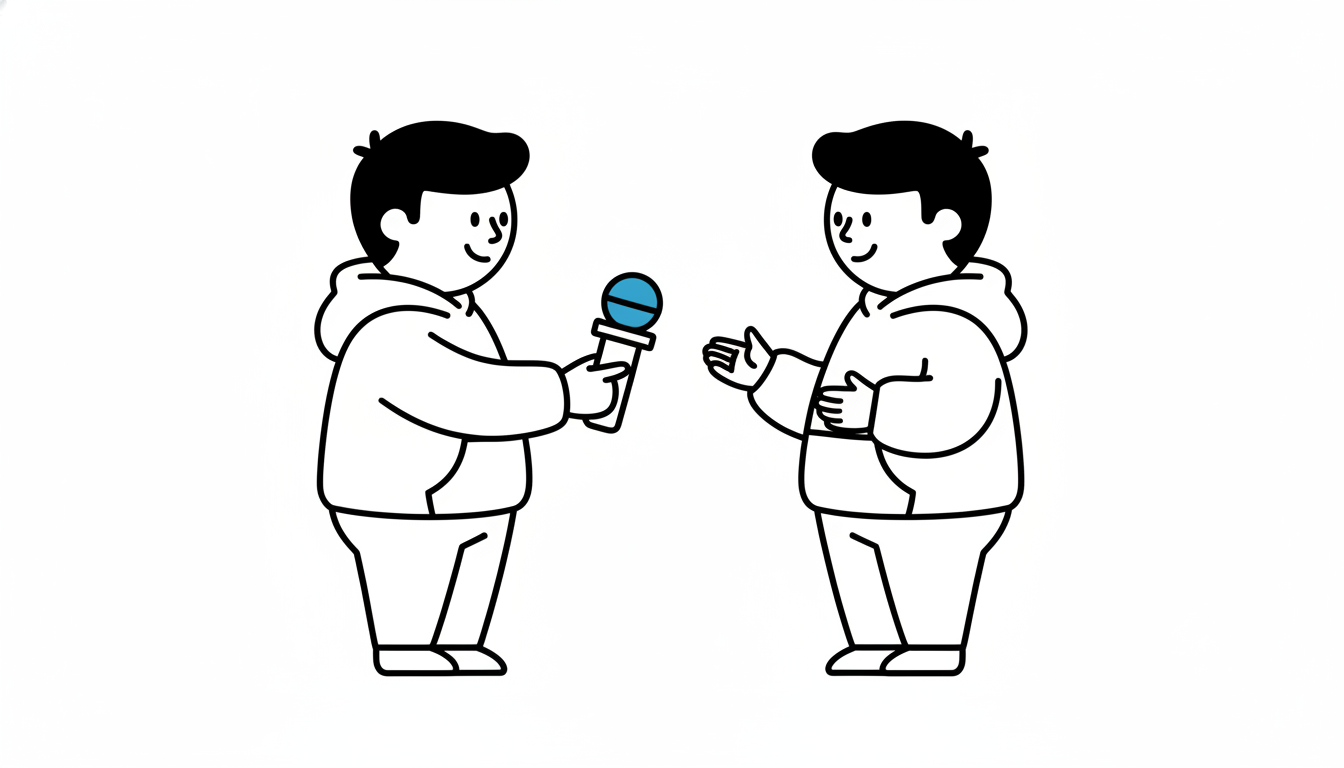
Assess understanding through conversational verbal processing by having students conduct brief, casual peer interviews about lesson content, providing low-pressure formative assessment that relies on articulation rather than writing.
How It Works
- Pair students (15 sec) - Form pairs; assign roles (interviewer/interviewee)
- Conduct interviews (2 min) - Interviewer asks 2-3 questions about lesson; interviewee explains
- Switch and listen (1 min) - Roles reverse briefly; teacher circulates and listens to assess understanding
What to Say
Opening: "Partner up! One person is the interviewer, one is the expert. Interviewer: Ask your expert to explain the three main causes of WWI. Experts: Teach what you know!"
During: "Interviewers: Ask follow-up questions... 'Can you give an example?'... 'Why is that important?'... Now switch roles!"
Closing: "I heard excellent explanations from Sarah, Marcus, and Liam. Who learned something new from their partner's explanation?"
Why It Works
Verbal articulation forces students to organize and clarify their thinking. Low-stakes peer interviews reduce performance anxiety compared to teacher-led questioning. Teacher circulation provides formative assessment data without formal testing.
Research Connection: Peer explanation deepens understanding for both explainer and listener (Chi et al., 1994; Webb, 1989).
Teacher Tip
Listen for misconceptions as you circulate, but don't interrupt. Take mental notes, then address common errors in whole-class debrief: "I heard several people say X—let's clarify that together."
Variations
Questions: Teacher-provided question prompts, student-generated questions, open-ended ("Tell me what you learned") • Format: Simultaneous pairs, fishbowl with class observing one interview, triads with one observer • Ages: K-5: Simple "Teach your partner" prompts; 6-12: Structured interview questions; College: Debate-style probing questions
Online
Breakout rooms for 2-3 minutes. Teacher pops into rooms briefly to listen. Use chat for students to post one key point from their interview afterward.
Troubleshooting
Students don't know what to ask: "Interviewers, use these stems: 'Explain how...' 'Why does...' 'What would happen if...' 'Give an example of...'"
Extension
Socratic Seminar Mini: After initial interviews, reconvene and have students share most interesting insights from their interviews with the whole class.
Related: Peer Teaching Pairs, Circle of Voices