
Making Predictions
At a Glance
- Time: 2-3 minutes
- Prep: None
- Group: Individual or pairs
- Setting: Any classroom
- Subjects: Universal
- Energy: Low-medium
Purpose
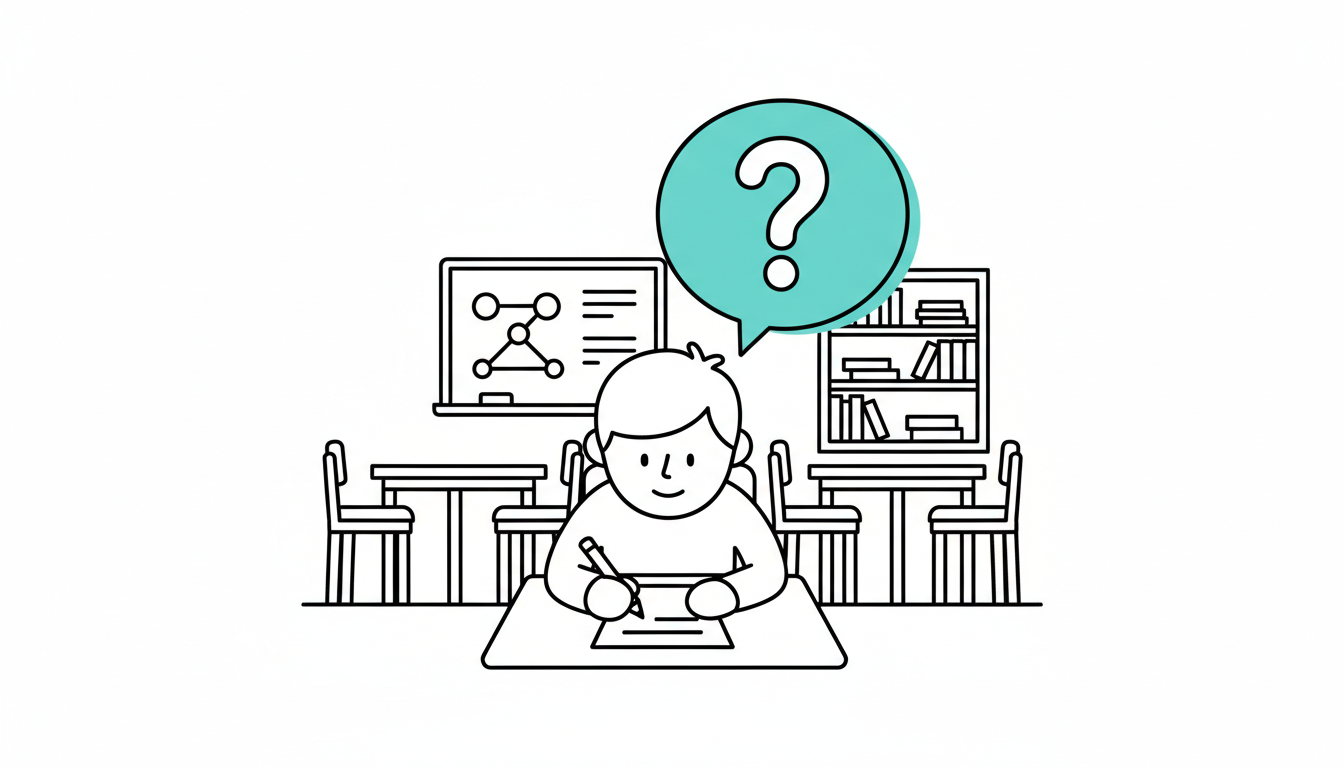
Making Predictions engages students' curiosity and activates schema by asking them to forecast outcomes before learning. This creates cognitive dissonance that primes attention and deepens learning.
How It Works
Step-by-step instructions:
- POSE SCENARIO (30 seconds) - Present situation, problem, or text title
- STUDENTS PREDICT (1.5 minutes) - Students write prediction with brief reasoning
- SHARE (1 minute) - Quick sampling of predictions to create anticipation
What to Say
Opening: "Before we begin, I want you to predict: What do you think will happen when [scenario]? Write your prediction and explain why you think that."
During: "Base your prediction on what you already know. Use evidence from your experience."
Closing: "Interesting predictions! Let's keep these in mind as we explore. We'll come back to see how close we were."
Why It Works
Prediction activates prior knowledge and creates an anticipatory mindset that enhances attention. When predictions are challenged, it creates productive cognitive conflict that deepens understanding and memory encoding.
Research Citation: Bransford et al., 2000 (How People Learn)
Teacher Tip
The accuracy of predictions matters less than the reasoning. Always ask "Why do you predict that?" to surface thinking.
Variations
For Different Subjects
- Math/Science: "Predict the result of this experiment before we test it"
- Humanities: "Based on the title, predict what this text will be about"
- Universal: "Predict three things we'll learn today based on yesterday's lesson"
For Different Settings
- Large Class (30+): Use polling or hand signals for quick prediction survey
- Small Group (5-15): Have each student share prediction aloud
For Different Ages
- Elementary (K-5): Picture predictions: "Draw what you think will happen"
- Middle/High School (6-12): Written predictions with reasoning required
- College/Adult: Evidence-based predictions citing prior knowledge
Online Adaptation
Tools Needed: Poll, chat, or Padlet
Setup: Create poll with prediction options or open-ended question
Instructions:
- Display scenario or question
- Students submit predictions via chat
- Save predictions to revisit after learning
Pro Tip: Use Mentimeter or Poll Everywhere to create live word cloud of predictions.
Troubleshooting
Challenge: Students afraid to predict wrong Solution: Emphasize "There are no wrong predictions—only hypotheses we'll test!"
Challenge: All predictions are the same Solution: Ask "What might happen if [variable changed]?" to generate alternatives
Extension Ideas
- Deepen: After learning, analyze why predictions were or weren't accurate
- Connect: Graph class predictions and actual results; discuss patterns
- Follow-up: Next class, ask students to predict based on today's learning
Related Activities: Predict-Observe-Explain, Anticipation Guide, See-Think-Wonder