
Sketch to Stretch
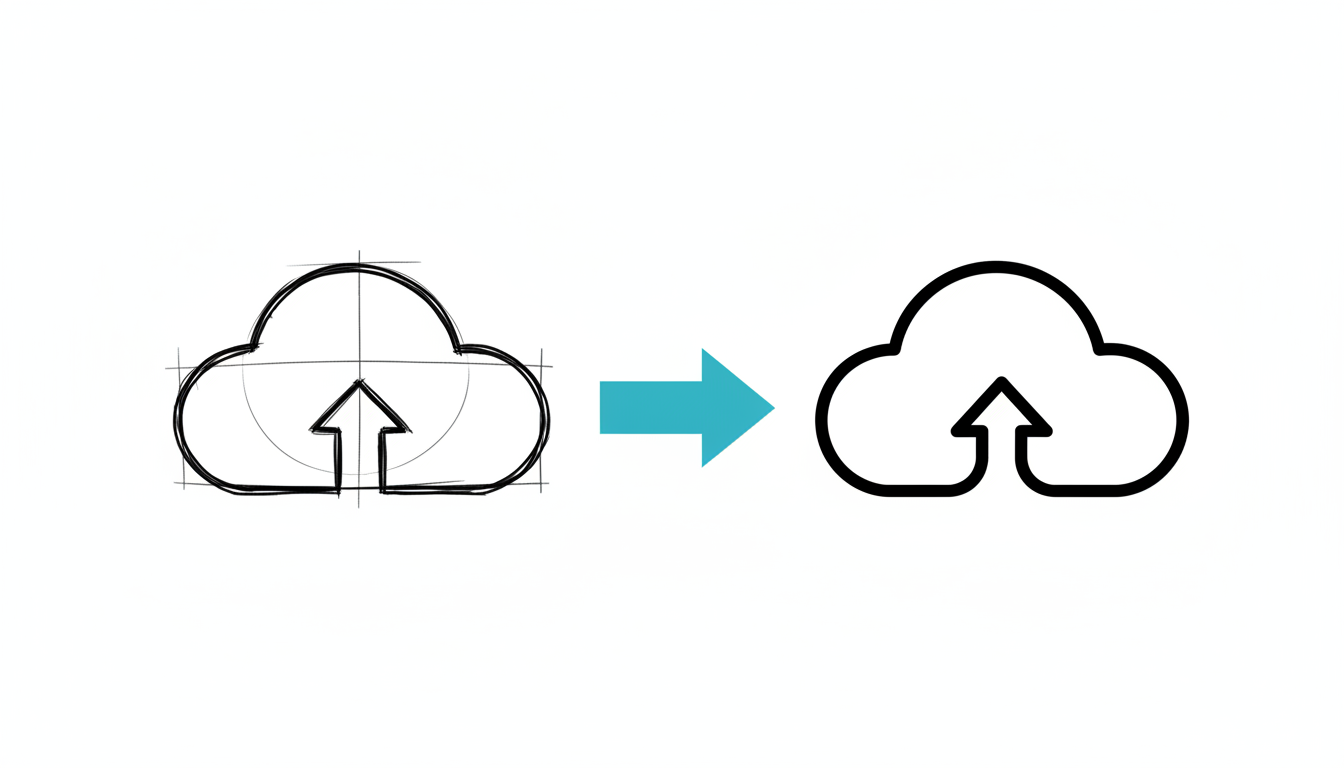
At a Glance
- Time: 4-5 minutes
- Prep: None
- Group: Individual or pairs
- Setting: Any
- Subjects: Universal
- Energy: Medium
Purpose
Develop growth mindset and assess understanding through iterative visual representation: draw initial understanding, receive feedback, improve drawing based on new learning—making thinking evolution visible.
How It Works
- Initial sketch (2 min) - "Draw your current understanding of how photosynthesis works"
- Feedback/instruction (1 min) - Peer feedback or teacher clarification on concept
- Improve sketch (2 min) - Revise drawing incorporating feedback and new insights
What to Say
Opening: "Sketch how photosynthesis works—whatever you understand right now. Simple drawings, labels welcome. This is version 1.0."
During: [After initial sketch] "Exchange with partner. Partner: Give one specific suggestion to improve accuracy. Then revise your own sketch based on feedback."
Closing: "Look at version 1.0 and version 2.0 side by side. See how feedback stretched your thinking? That's how learning works—iterate and improve."
Why It Works
Iteration normalizes revision as part of learning. Visual format makes conceptual growth tangible. Comparing before/after sketches provides concrete evidence of learning, building growth mindset.
Research Connection: Iterative revision with feedback improves learning outcomes and metacognition (Black & Wiliam, 1998; Hattie & Timperley, 2007).
Teacher Tip
Keep both versions. Have students write: "What I added in v2.0 that wasn't in v1.0:" This metacognitive reflection cements the learning.
Variations
Rounds: 2-3 iterations with different feedback sources each time • Feedback: Peer, teacher, textbook reference, video clip • Ages: K-5: simple before/after drawings; 6-12: detailed labeled diagrams; College: annotated conceptual models
Online
Digital whiteboard (Jamboard, Miro). Create v1.0, duplicate and revise to v2.0. Save both versions for comparison.
Troubleshooting
Students reluctant to show imperfect v1.0: "Version 1.0 is SUPPOSED to be imperfect—that's the point! Growth requires starting somewhere."
Extension
Create v3.0 after unit ends. Track conceptual evolution across multiple revision cycles throughout semester.
Related: Doodle Dictionary, Storyboard