
Positive Prime
At a Glance
- Time: 30-60 seconds
- Prep: None (spontaneous positive statement/experience)
- Group: Whole class
- Setting: Any classroom
- Subjects: Universal
- Energy: Low-Medium
Purpose
Shift classroom mood and motivation toward positivity using brief exposure to uplifting content—inspirational quotes, success stories, gratitude prompts, humor, or achievements—leveraging cognitive priming effects where initial stimuli influence subsequent thoughts and behaviors, improving learning readiness by creating emotional uplift before challenging content.
How It Works
- Deliver positive prime (20-40 sec) - Share brief positive content (formats described below)
- Allow moment of processing (5-10 sec) - Brief pause for students to absorb message
- Transition to content (5 sec) - "Let's take that energy into [next activity]."
Positive Prime Formats:
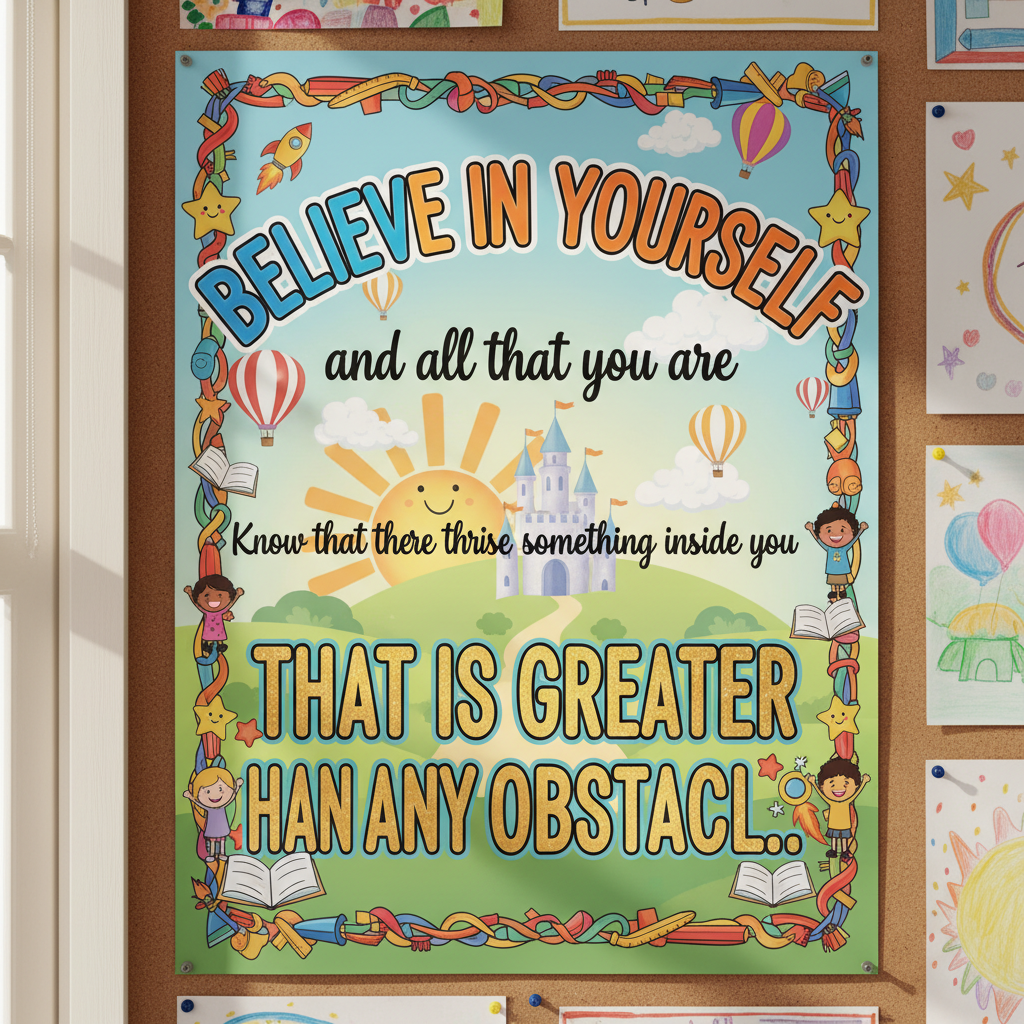
Inspirational quotes: "You are capable of more than you know." —Ben Stein
Success stories: "Last year a student in this class struggled with [X]. By June, they mastered it. Growth happens."
Gratitude prompt: "Think of one person who helped you this week. Hold that thought for 5 seconds."
Humor: Brief funny image, joke, or silly fact
Achievement recognition: "This class has completed 47 activities this semester. That's remarkable."
Affirmation: "You belong here. Your ideas matter. Your effort counts."
What to Say
Opening: "Before we start this next section, I want to share something with you for 30 seconds."
Prime examples:
Quote: "Here's a quote I love: 'The expert in anything was once a beginner.' Remember that—you're all beginners at something in this room, and that's perfect."
Story: "I want to tell you about a former student, Jasmine. She failed the first three quizzes in this class. She came in for help, kept trying, and ended the semester with a B+. Growth is always possible."
Gratitude: "Close your eyes. Think of one thing that went well for you this week—anything, big or small. Hold that thought... Good. Open your eyes. Let's bring that positive energy into our work."
Humor: [Show silly image or tell brief joke.] "Okay, we smiled. Brains are happy. Let's learn."
Closing: "Take that feeling with you into this next task. Let's go."
Why It Works
Priming—unconscious activation of mental associations—affects subsequent cognition and behavior (Bargh, 2006). Positive primes activate positive semantic networks in memory, making optimistic thoughts and adaptive behaviors more accessible. Students primed with positive content show improved problem-solving, creativity, and persistence compared to neutral or negative primes. Positive emotion also broadens attention (Fredrickson's broaden-and-build theory)—students literally perceive more options and think more flexibly after positive experiences. The effect is temporary but strategic: prime before challenging content to create receptive emotional state.
Research Citation: Priming effects (Bargh, 2006)
Teacher Tip
Authenticity is critical. If you deliver a positive prime with cynical tone or rushed delivery, students won't internalize it. Believe what you're saying. Pause afterward—don't immediately jump to "Okay, page 47." Let the positive message sit for 5-10 seconds before transitioning. Silence is processing time.
Variations
Different Prime Types
- Inspirational: Quotes, stories, affirmations
- Gratitude: Prompts to notice positive aspects of life
- Humor: Jokes, funny images, silly facts
- Achievement: Recognition of progress or accomplishments
- Connection: Reminders of belonging and community
Different Delivery Modes
- Verbal: Teacher speaks message
- Visual: Display quote/image on screen
- Written: Post message on board before class
- Audio: Play brief inspiring music or speech snippet
- Interactive: Students share positive thought with partner
Different Timing
- Start of class: Set positive tone for entire session
- Before difficult content: Prime resilience and confidence
- After setback: Restore motivation after poor performance
- End of class: Send students off with positive energy
Different Ages
- Elementary (K-5): Simple, concrete messages; playful and enthusiastic delivery
- Middle/High School (6-12): Age-appropriate inspirational content; avoid "cheesy" tone
- College/Adult: Sophisticated philosophical or professional framing; optional humor
Online Adaptation
Tools Needed: Screen share or chat
Setup: None needed
Instructions:
- Share positive content via screen (quote, image) or speak it directly
- "Take 10 seconds with this message..."
- Pause in silence
- "Let's carry that into our work today."
Pro Tip: Create slide deck with 30-40 positive primes—rotate through one per session. Keeps content fresh without requiring daily prep.
Troubleshooting
Challenge: Students roll eyes, dismiss content as "corny" or "fake positivity" Solution: Acknowledge: "I know this might feel cheesy. But research shows brief positive exposure actually changes how your brain processes challenges. I'm not asking you to believe it forever—just notice how you feel after hearing it." Frame as experiment, not demand.
Challenge: Positive prime feels hollow when students are genuinely struggling or stressed Solution: Match prime to context. After a hard test, don't say "You're all amazing!"—say "Challenges are part of learning. What matters is what you do next." Realistic optimism > toxic positivity.
Challenge: Same positive primes repeated too often; students habituate and stop attending Solution: Rotate content frequently. Build library of 30+ primes so repetition is rare. Also vary format—quote one day, story next, gratitude prompt after that.
Extension Ideas
- Deepen: Student-sourced primes—students submit favorite quotes, stories, or gratitude prompts; teacher curates and shares
- Connect: Morning positivity ritual—start every class with positive prime; builds routine and sets consistent tone
- Follow-up: Reflection: "We've done positive primes for three weeks. Do you notice any difference in your mindset or motivation? Let's discuss."
Related Activities: Growth Mindset Moment, Gratitude Pause, Encouragement Circle