
Peer Teaching Pairs
At a Glance
- Time: 2-3 minutes
- Prep: None
- Group: Pairs
- Setting: Any
- Subjects: Universal
- Energy: Medium
Purpose
Assess and deepen understanding by having students explain concepts to partners in exactly 45 seconds, requiring clear comprehension to teach effectively under time constraint.
How It Works
- Assign concept (15 sec) - "You have 45 seconds to explain photosynthesis to your partner"
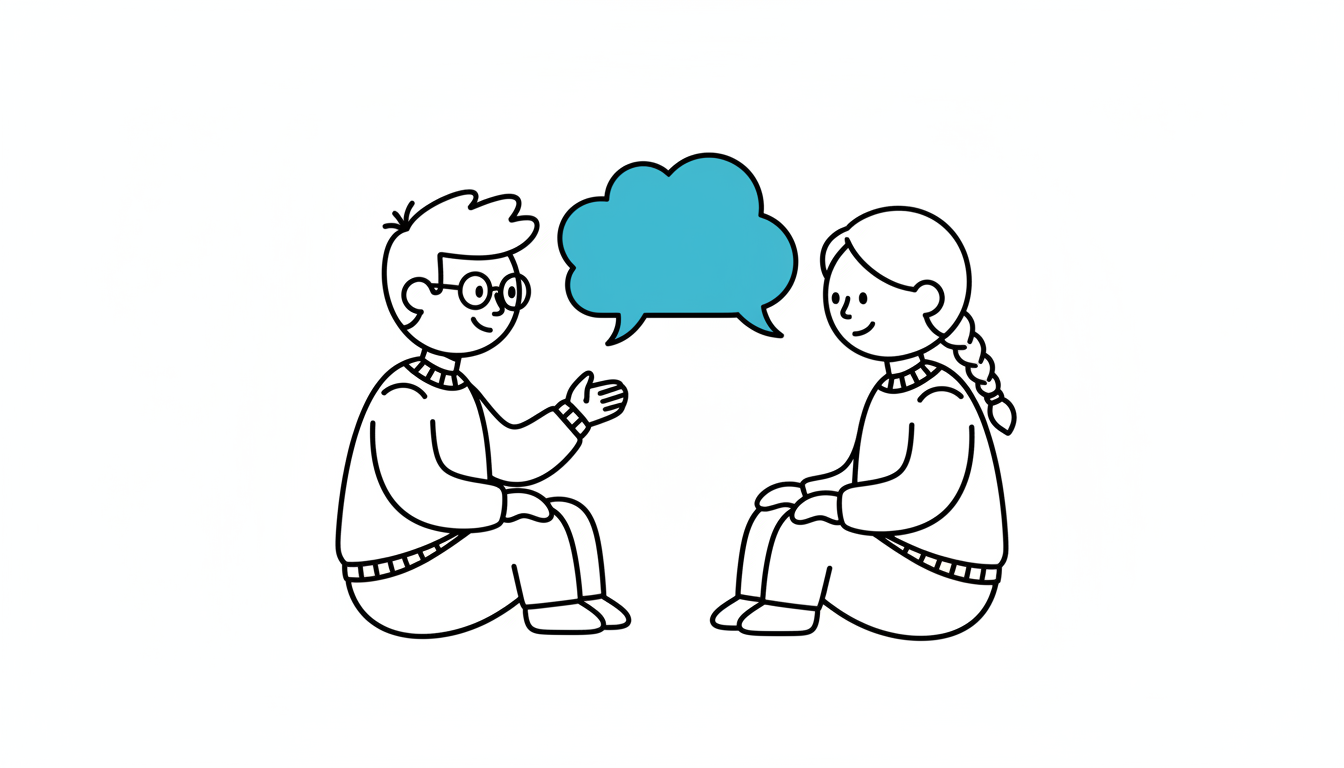
- Teach in pairs (45 sec each) - Partner A teaches, Partner B listens actively
- Switch and assess (45 sec) - Partner B teaches same concept; compare explanations
What to Say
Opening: "Turn to your partner. Partner A: You have exactly 45 seconds to explain mitosis—GO! Partner B: Listen carefully, then you'll explain it too."
During: [After 45 sec] "Switch! Partner B, your turn—45 seconds to explain mitosis. Partner A, notice what they emphasize differently."
Closing: "If you could explain it clearly in 45 seconds, you understand it. If you struggled, that shows you what to study. Teaching reveals understanding."
Why It Works
Explaining forces active retrieval and organization of knowledge. The 45-second limit prevents rambling and requires prioritization of essential information. Listening to peer's explanation provides second perspective.
Research Connection: Peer teaching benefits both tutor and tutee cognitively (Roscoe & Chi, 2007; Fiorella & Mayer, 2013).
Teacher Tip
Circulate and listen during explanations. Students' language reveals their mental models—you'll hear misconceptions surface immediately that you can address.
Variations
Timing: 30-sec rapid, 60-sec standard, 90-sec detailed • Structure: One explains then other adds missing pieces, both explain simultaneously to different partners • Ages: K-5: 60 seconds with prompts; 6-12: 45 seconds; College: 30 seconds for precision
Online
Breakout rooms of 2. Timer visible on screen. Students take turns explaining via audio/video.
Troubleshooting
Partners just read notes: "From memory only—no notes! Teaching means you know it, not read it."
Extension
After both explain, pairs write one combined sentence that captures the concept better than either individual explanation.
Related: Ask the Winner, Think-Pair-Share