
Two Truths and a Lie
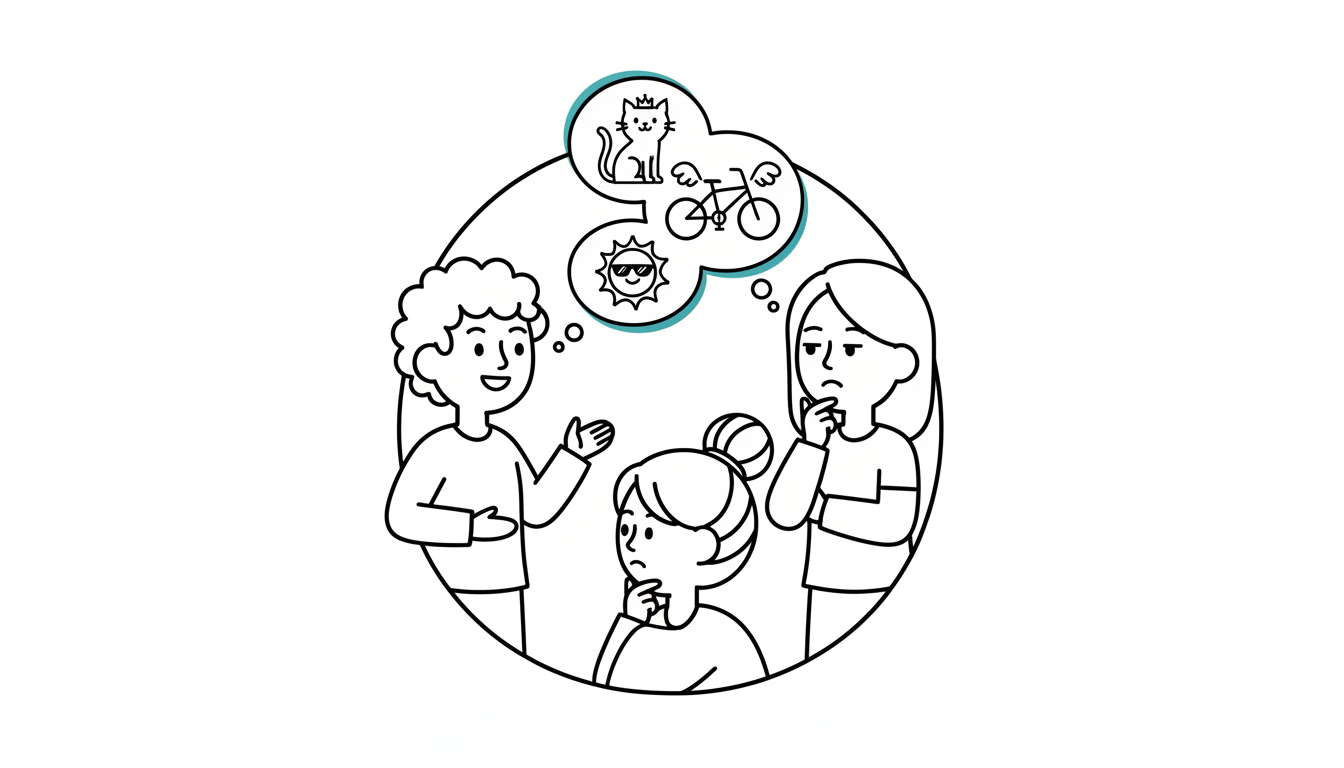
At a Glance
- Time: 3-5 minutes
- Prep: None
- Group: Pairs or small groups (3-4)
- Setting: Any
- Subjects: Universal
- Energy: Medium
Purpose
Build rapport and community by sharing personal information in a playful, low-risk way. Use this during the first week of class, before group work, or anytime you need to strengthen relationships. Students learn surprising facts about each other while practicing discernment and observation.
How It Works
- EXPLAIN (30 seconds) - "Think of two true facts about yourself and one lie. Make them believable! Don't make the lie obvious."
- THINK (60 seconds) - Students individually think of their three statements
- SHARE (90 seconds) - In pairs or small groups, each person shares their three statements
- GUESS (60 seconds) - Others guess which statement is the lie
- REVEAL - Person reveals the answer and can elaborate on the truths
What to Say
"We're going to learn interesting things about each other. Think of TWO true facts about yourself and ONE lie. Make them all sound believable—don't make the lie obvious! For example, I might say: '1. I've been to 12 countries. 2. I have a pet iguana. 3. I can juggle.' You'd have to guess which is the lie. Take 60 seconds to think of yours."
(After thinking time) "Find a partner. Share your three statements. Partner, guess which is the lie. You have 2 minutes. Go!"
Why It Works
Personal sharing builds trust and connection, which are foundations for a positive learning community. The game format makes sharing feel safe and fun rather than vulnerable. The "guessing" element adds intrigue and engagement. Students often learn surprising, memorable facts about classmates, which humanizes everyone and strengthens bonds. This activity explicitly signals: "This is a class where we know and care about each other."
Research Citation: Building social connections in classrooms improves engagement, belonging, and academic outcomes (Walton & Cohen, 2011).
Teacher Tip
Participate! Share your own Two Truths and a Lie with the whole class as an example. This models vulnerability and shows you're part of the community, not separate from it. Students appreciate seeing your personality.
Variations
For Different Subjects
- Content Version: "Two true facts about photosynthesis and one false fact. Can you spot the lie?"
- Review Version: "Two truths and a lie about yesterday's lesson"
- Historical: "I'll give you two truths and a lie about Abraham Lincoln..."
- Standard Icebreaker: Personal facts about students themselves
For Different Settings
- Large Class: Breakout into groups of 3-4
- Small Class: Go around circle, whole group guesses
- Online: Perfect for breakout rooms or main room if small class
- Whole Class Share: Each person shares with whole group (time-intensive, but powerful for small classes)
For Different Ages
- Elementary (K-5): May need help generating ideas. Provide categories: "One about your family, one about something you can do, one about your favorite thing"
- Middle/High School (6-12): Love this. Make sure to emphasize "make it believable—don't be too obvious"
- College/Adult: Works excellently. Can make it more sophisticated or professional depending on context.
Online Adaptation
Perfect for Online:
- Use breakout rooms for pairs/groups
- Or do it in main room if small class
- Can use chat to type statements first, then unmute to reveal
- Works just as well virtually as in-person
Troubleshooting
Challenge: Someone makes the lie too obvious ("I'm secretly a superhero"). Solution: "Make it believable! The challenge is to fool your partner. Try again with something that sounds realistic."
Challenge: Students can't think of interesting facts. Solution: Provide prompts: "Something you did this summer, a hidden talent, a place you've been, something most people don't know about you, a fear you have..."
Challenge: Some students are hesitant to share personal information. Solution: "Keep it light and appropriate for school. You don't have to share anything deeply personal. Even simple facts work: 'I have two siblings,' 'I play soccer,' etc."
Extension Ideas
- Deepen: After revealing, allow time for questions: "Wait, you really went skydiving? Tell us more!"
- Connect: "We just practiced critical thinking—evaluating evidence to determine truth. That's what we do in [subject]."
- Follow-up: "Throughout the semester, remember these facts about each other. Use them when forming groups or partnerships."
Related Activities: Would You Rather, Commonalities and Differences, My Name and A Thing