
Critical Friends Protocol
At a Glance
- Time: 10-15 minutes
- Prep: Minimal - students bring work in progress
- Group: Small groups (3-4 students)
- Setting: Any classroom
- Subjects: Universal - any work product
- Energy: Medium
Purpose
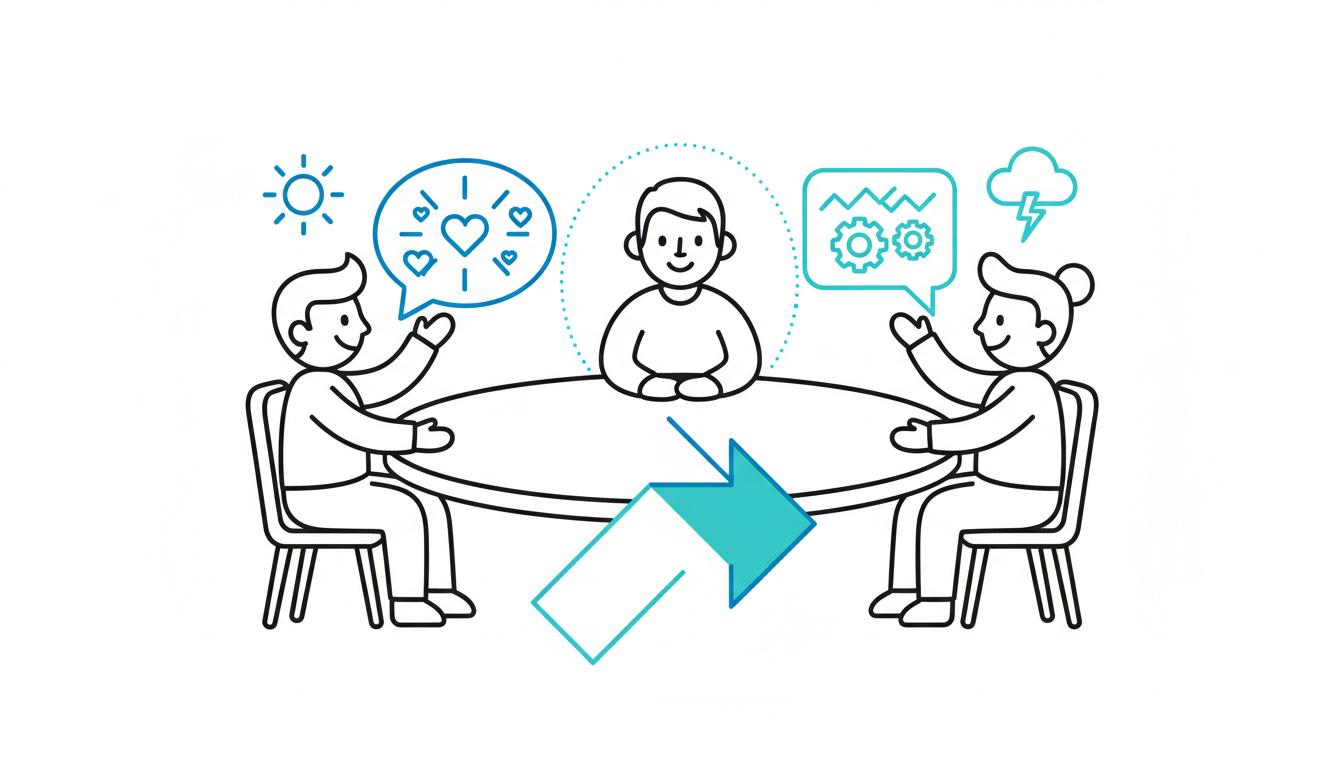
Critical Friends Protocol provides structured peer feedback that is both supportive and challenging. One student presents their work while others act as "critical friends"—offering warm feedback (praise), cool feedback (questions/concerns), and suggestions. The protocol ensures feedback is constructive, specific, and actionable.
How It Works
Step-by-step instructions:
-
FORM GROUPS (30 seconds) - Groups of 3-4 students.
-
PRESENTER SHARES (2-3 minutes) - One student shares their work and poses a specific question they want feedback on.
-
CLARIFYING QUESTIONS (1-2 minutes) - Group asks factual questions to understand the work. Presenter answers briefly.
-
WARM FEEDBACK (2 minutes) - Group members share what's working well, what they appreciate, what's strong.
-
COOL FEEDBACK (2 minutes) - Group members share concerns, questions, gaps, or areas for improvement.
-
SUGGESTIONS (2 minutes) - Group offers specific, actionable ideas for strengthening the work.
-
PRESENTER REFLECTS (1 minute) - Presenter shares which feedback resonates and what they'll act on.
-
ROTATE (If time allows, repeat with a new presenter)
What to Say
Setup: "We're using Critical Friends Protocol. One person shares work and asks for specific feedback. The rest of you are 'critical friends'—supportive but honest. We'll give three types of feedback: warm (what's strong), cool (concerns), and suggestions (how to improve)."
Presenter: "I'm sharing [describe work]. My specific question is: [ask targeted question about an aspect you want feedback on]."
Clarifying Questions: "Friends, ask questions to understand the work—not judgments yet, just clarifying. 'What did you mean by...?' 'How does this part connect to...?'"
Warm Feedback: "Now, warm feedback. What's working? What's strong? Be specific."
Cool Feedback: "Cool feedback—concerns or questions. Frame these gently: 'I wonder if...' or 'I'm not sure about...'"
Suggestions: "Suggestions for improvement. Make them concrete: 'What if you...' or 'Have you considered...'"
Reflection: "Presenter, which feedback will you use? What will you change?"
Why It Works
The structured protocol ensures feedback is balanced (not all criticism), specific (not vague), and actionable. The "critical friends" framing encourages honest yet supportive feedback.
Teacher Tip
Insist on specificity. Ban phrases like "It's good" or "I liked it." Require: "This specific part works because..." Specificity makes feedback useful.
Variations
For Different Subjects
- Writing: Draft essays, lab reports, creative pieces
- Projects: Presentations, designs, solutions
- Performance: Practice performances with feedback
For Different Settings
- Online: Share work via screen share. Same protocol.
Online Adaptation
Tools: Breakout rooms + screen sharing Process: Same protocol with screen-shared work
Troubleshooting
Challenge: Feedback is too general or nice. Solution: Require sentence stems: "One specific strength is... One specific area to improve is..."
Extension Ideas
- Deepen: After receiving feedback, presenter revises work and returns to show improvements.
Related Activities: Peer Review Writing, Gallery Walk